Sponsorship websites set the stage for this enthralling narrative, offering readers a glimpse into a story that is rich in detail and brimming with originality from the outset. From defining what sponsorship websites are to exploring different types and strategies, this comprehensive guide delves deep into the world of online sponsorships.
Definition of Sponsorship Websites
Sponsorship websites are online platforms that connect businesses or organizations looking to sponsor events, projects, or individuals with potential opportunities. These websites facilitate the process of finding suitable sponsorship opportunities and establishing partnerships between sponsors and sponsored entities.




Key Features of Sponsorship Websites
- Database of Sponsorship Opportunities: Sponsorship websites provide a comprehensive database of available sponsorship opportunities, making it easier for businesses to find the right fit for their marketing goals.
- Customized Search Filters: Users can narrow down their search based on specific criteria such as industry, target audience, budget, and location.
- Communication Tools: Sponsorship websites often include communication tools to facilitate collaboration between sponsors and sponsored entities, such as messaging systems and document sharing.
- Performance Tracking: Some sponsorship websites offer analytics and tracking tools to monitor the effectiveness of sponsorships and measure return on investment.
Benefits of Using Sponsorship Websites
- Increased Visibility: By utilizing sponsorship websites, businesses can reach a broader audience and enhance brand awareness through sponsored events or projects.
- Targeted Marketing: Sponsorship websites allow businesses to target specific demographics or industries that align with their marketing objectives, maximizing the impact of their sponsorships.
- Cost-Effective: Sponsorship websites streamline the sponsorship process, saving businesses time and resources by providing a centralized platform for finding and managing sponsorship opportunities.
- Networking Opportunities: Through sponsorship websites, businesses can connect with like-minded organizations and individuals, fostering valuable partnerships and collaborations.
Types of Sponsorship Websites
When it comes to sponsorship websites, there are various types that cater to different audiences and objectives. Each type of sponsorship website offers unique features and benefits tailored to specific needs. Let’s explore some examples of different types of sponsorship websites and compare their key features.
1. Sports Sponsorship Websites
Sports sponsorship websites focus on connecting sports teams, athletes, events, and brands for mutually beneficial partnerships. These websites often highlight sponsorship opportunities, athlete profiles, event details, and brand visibility options. The target audience for sports sponsorship websites includes sports enthusiasts, sponsors looking to reach a sports-oriented audience, and organizations seeking to associate their brand with sports.
2. Nonprofit Sponsorship Websites
Nonprofit sponsorship websites are dedicated to facilitating partnerships between nonprofits and corporate sponsors or individual donors. These websites showcase the impact of sponsorships, fundraising events, and donation opportunities. The target audience for nonprofit sponsorship websites includes philanthropic individuals, businesses looking to support a cause, and nonprofit organizations seeking financial support.
3. Event Sponsorship Websites
Event sponsorship websites focus on connecting event organizers with potential sponsors to secure funding for their events. These websites often feature sponsorship packages, event details, attendee demographics, and branding opportunities. The target audience for event sponsorship websites includes event planners, sponsors looking to reach a specific audience, and businesses seeking to increase their visibility through event partnerships.
4. Influencer Sponsorship Websites
Influencer sponsorship websites serve as platforms for influencers to connect with brands interested in collaborations and sponsored content. These websites showcase influencers’ reach, engagement rates, content style, and partnership opportunities. The target audience for influencer sponsorship websites includes brands looking to leverage influencer marketing, influencers seeking brand partnerships, and agencies facilitating influencer collaborations.
5. Educational Sponsorship Websites
Educational sponsorship websites cater to schools, colleges, universities, and educational programs seeking financial support from sponsors. These websites highlight sponsorship options, student scholarship opportunities, academic achievements, and community impact. The target audience for educational sponsorship websites includes educational institutions, sponsors interested in supporting education initiatives, and individuals looking to contribute to student success.
Creating a Sponsorship Website
Creating a sponsorship website involves several key steps that are crucial for its success in attracting sponsors and engaging users.
The Importance of Design and User Experience
Design and user experience are critical components of a sponsorship website as they directly impact how sponsors and visitors perceive the brand. Here are some tips to consider:
- Ensure the website has a clean and professional design that reflects the brand’s image.
- Optimize the website for mobile devices to reach a wider audience.
- Provide clear navigation and intuitive layout to make it easy for users to find information.
- Use high-quality images and visuals to enhance the overall look and feel of the website.
- Include a call-to-action on every page to encourage sponsors to take the next step.
Tips for Optimizing a Sponsorship Website for Search Engines
To improve the visibility of a sponsorship website on search engines, consider the following strategies:
- Research relevant keywords and incorporate them naturally throughout the website content.
- Create unique and informative meta titles and descriptions for each page.
- Optimize images with alt text and descriptive filenames to improve SEO.
- Regularly update the website with fresh content to show search engines that it is active.
- Utilize backlinks from reputable sources to increase the website’s authority.
Content Strategy for Sponsorship Websites
When creating a sponsorship website, it is crucial to develop a strong content strategy that engages and informs visitors. The type of content included on the website can greatly impact its effectiveness in attracting sponsors and supporters. Successful sponsorship websites often feature compelling stories, impactful visuals, clear calls-to-action, and detailed information about the sponsorship opportunities available. Here, we will discuss the key elements of a successful content strategy for sponsorship websites.
Compelling Stories and Impactful Visuals
Compelling stories and impactful visuals are essential components of a successful sponsorship website. By sharing stories of individuals or communities that have benefited from sponsor support, you can create an emotional connection with potential sponsors. Additionally, including high-quality visuals such as photos, videos, and infographics can help convey the impact of sponsorship in a powerful and engaging way.
Clear Calls-to-Action
Clear calls-to-action are crucial for guiding visitors towards taking action, whether it’s signing up for a sponsorship program, making a donation, or contacting your organization for more information. Including prominent call-to-action buttons or links throughout the website can help drive conversions and engage potential sponsors effectively.
Detailed Information about Sponsorship Opportunities
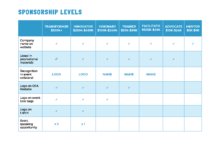
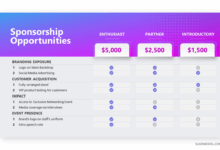
Providing detailed information about the sponsorship opportunities available is essential for attracting sponsors. This includes outlining the benefits of sponsorship, detailing the different sponsorship levels, and clearly explaining how sponsors can get involved. By presenting this information in a clear and organized manner, you can make it easy for potential sponsors to understand the value of supporting your cause.
Examples of Successful Sponsorship Website Content
– Stories of sponsored individuals or communities showcasing the impact of sponsorship.
– High-quality photos and videos highlighting the work supported by sponsors.
– Testimonials from current sponsors sharing their positive experiences.
– Infographics illustrating the reach and impact of sponsorship programs.
– Clear and concise information about sponsorship levels and benefits.
Monetization Strategies for Sponsorship Websites
When it comes to monetizing a sponsorship website, there are several strategies to consider. Each strategy has its own pros and cons, and the effectiveness may vary depending on the niche and target audience of the website.
Affiliate Marketing
A popular way to monetize a sponsorship website is through affiliate marketing. This involves promoting products or services from other companies and earning a commission for each sale or lead generated through your referral. Affiliate marketing can be effective in generating passive income, but it may require a significant amount of traffic to see substantial results.
Sponsored Content
Another common monetization strategy is through sponsored content. This involves partnering with brands to create content that promotes their products or services. Sponsored content can be lucrative, but it’s essential to maintain transparency with your audience to preserve trust and credibility.
Display Advertising
Display advertising, such as Google AdSense, is a straightforward way to monetize a sponsorship website. By displaying ads on your site, you can earn revenue based on clicks or impressions. While display advertising can provide a steady stream of income, it may impact the user experience and require a high volume of traffic to be profitable.
Membership or Subscription Models
Implementing a membership or subscription model is another way to monetize a sponsorship website. By offering premium content or exclusive benefits to paying members, you can create a recurring revenue stream. However, this strategy may limit your audience and require continuous value delivery to retain subscribers.
Building Partnerships through Sponsorship Websites
Building partnerships through sponsorship websites is crucial for both the website owner and potential sponsors. By creating strong relationships with sponsors, you can attract long-term partnerships that benefit both parties. Here are some tips on how to attract potential sponsors and leverage your sponsorship website to create successful partnerships:
Attracting Potential Sponsors
- Clearly define your target audience and the benefits sponsors can gain from partnering with your website.
- Showcase your website’s reach, engagement metrics, and any previous successful partnerships to demonstrate credibility.
- Offer flexible sponsorship packages that cater to different budget levels and objectives of potential sponsors.
- Provide a detailed sponsorship proposal outlining the opportunities available, including branding, content collaborations, and promotional activities.
- Engage with potential sponsors through personalized outreach, highlighting how a partnership can align with their marketing goals.
Importance of Building Relationships with Sponsors
- Building strong relationships with sponsors fosters trust and loyalty, leading to repeat partnerships and referrals to other potential sponsors.
- Regular communication and feedback help ensure that sponsors feel valued and engaged throughout the partnership.
- Collaborating closely with sponsors allows for customization of partnerships to meet their specific needs, increasing the chances of a successful and long-lasting relationship.
- Showing appreciation and recognizing the contributions of sponsors publicly can enhance their brand visibility and reputation, benefiting both parties.
Leveraging a Sponsorship Website for Successful Partnerships
- Utilize your sponsorship website as a central hub for showcasing partnership opportunities, testimonials from previous sponsors, and success stories.
- Implement tracking tools to measure the impact of sponsorships and provide data-driven insights to sponsors on the value they gain from partnering with your website.
- Create engaging content that integrates sponsors seamlessly, providing them with exposure to your audience in a meaningful way.
- Offer sponsorship renewal incentives and exclusive benefits to encourage sponsors to continue their partnerships with your website.
Promoting Sponsorship Websites
Promoting a sponsorship website is crucial to attract potential sponsors and increase visibility. Utilizing various strategies can help in reaching a wider audience and showcasing the value of sponsoring your website.
Role of Social Media in Promoting Sponsorship Websites
Social media plays a significant role in promoting sponsorship websites as it allows for direct engagement with a large audience. By leveraging platforms like Facebook, Instagram, Twitter, and LinkedIn, you can create targeted campaigns, share engaging content, and interact with potential sponsors in real-time.
- Use social media to highlight successful partnerships and showcase the benefits of sponsoring your website.
- Collaborate with influencers or industry leaders to promote your sponsorship opportunities to a larger audience.
- Engage with followers through contests, giveaways, and interactive posts to generate interest in your sponsorship website.
Examples of Successful Promotional Campaigns for Sponsorship Websites
Successful promotional campaigns for sponsorship websites often involve creative storytelling, compelling visuals, and strategic partnerships. Here are some examples of effective promotional campaigns:
- Red Bull Stratos: Red Bull’s sponsorship of Felix Baumgartner’s space jump captured global attention and showcased the brand’s commitment to pushing boundaries.
- Nike’s Breaking2: Nike’s partnership with elite runners to break the 2-hour marathon barrier generated buzz and highlighted the brand’s innovation in sports performance.
- UNICEF Tap Project: UNICEF’s campaign to provide clean water through sponsorship partnerships with restaurants raised awareness and funds for a crucial cause.
Analyzing Performance Metrics
Performance metrics are crucial for assessing the effectiveness and impact of a sponsorship website. By tracking key metrics, website owners can gain valuable insights into user behavior, engagement levels, and overall performance. Analyzing these metrics can help in making informed decisions to optimize the website for better results.
Key Performance Metrics
- Website Traffic: Monitor the number of visitors, page views, and unique visitors to understand overall website traffic.
- Conversion Rate: Track the percentage of visitors who take a desired action, such as signing up for a newsletter or clicking on a sponsored link.
- Bounce Rate: Measure the percentage of visitors who leave the website after viewing only one page, indicating a lack of engagement.
- Engagement Metrics: Analyze metrics like time spent on site, pages per session, and returning visitors to gauge user engagement.
- Click-Through Rate (CTR): Evaluate the percentage of users who click on a sponsored link or advertisement on the website.
Analyzing and Interpreting Data
Effective analysis of performance data involves not just looking at numbers but understanding the underlying trends and patterns. It’s essential to compare data over time, identify correlations, and draw actionable insights from the metrics. Utilizing tools like Google Analytics can provide detailed reports to aid in data interpretation.
Improvement Strategies
- Optimize Website Design: Use performance metrics to identify areas of improvement in the website layout, navigation, and user experience.
- Create Targeted Content: Tailor content based on user engagement metrics to better resonate with the target audience.
- A/B Testing: Experiment with different elements on the website and analyze performance metrics to determine the most effective strategies.
- Mobile Optimization: Ensure the website is optimized for mobile devices to enhance user experience and increase engagement.
Legal Considerations for Sponsorship Websites
When running a sponsorship website, there are important legal considerations that need to be taken into account to ensure compliance with regulations and protect intellectual property.
Legal Requirements for Sponsorship Websites
- Disclosure: It is essential to clearly disclose any sponsored content on your website to maintain transparency with your audience and comply with advertising regulations.
- Privacy Policies: Ensure that your website has a clear and comprehensive privacy policy that outlines how user data is collected, stored, and used.
- Terms of Use: Have terms of use in place that govern the use of your website, including disclaimers, limitations of liability, and intellectual property rights.
Best Practices for Compliance
- Regular Audits: Conduct regular audits of your sponsorship website to ensure that all content is compliant with relevant laws and regulations.
- Consult Legal Experts: It is advisable to seek legal advice from experts who specialize in internet law to ensure that your website is fully compliant.
- Stay Informed: Keep yourself updated on changes in laws and regulations related to online advertising and sponsorship to adapt your website accordingly.
Protecting Intellectual Property
- Copyright: Ensure that you have the necessary permissions to use any copyrighted material on your website, including images, videos, and written content.
- Trademark: Protect your brand by registering trademarks for your website name, logo, and any other unique identifiers.
- Monitor for Infringements: Regularly monitor your website and online presence for potential intellectual property infringements and take action to protect your rights.
Case Studies of Successful Sponsorship Websites
Successful sponsorship websites play a crucial role in connecting brands with their target audiences effectively. Let’s take a look at some popular sponsorship websites and analyze what sets them apart.
Nike: Just Do It Campaign
Nike’s “Just Do It” campaign is a prime example of a successful sponsorship strategy. By partnering with top athletes like Michael Jordan and Serena Williams, Nike was able to create a powerful brand image associated with success and achievement.
Red Bull: Stratos Jump
Red Bull’s sponsorship of Felix Baumgartner’s record-breaking Stratos Jump is another standout example. This daring event not only showcased Red Bull’s commitment to extreme sports but also generated massive buzz and brand visibility.
Coca-Cola: FIFA World Cup
Coca-Cola’s long-standing sponsorship of the FIFA World Cup demonstrates the impact of aligning with a globally recognized event. By associating its brand with the excitement and passion of football, Coca-Cola has successfully reached a vast and diverse audience.
Future Trends in Sponsorship Websites
In the rapidly evolving digital landscape, sponsorship websites are poised to undergo significant changes in the coming years. Advancements in technology and shifts in consumer behavior are expected to shape the future of sponsorship marketing. It is crucial for businesses to anticipate these trends and adapt their strategies to stay ahead in the competitive market.
1. Virtual Reality Integration
With the rise of virtual reality (VR) technology, sponsorship websites are likely to incorporate immersive experiences to engage audiences in new and innovative ways. By offering virtual tours of sponsored events or interactive VR campaigns, businesses can provide unique and memorable experiences to their target audience.
2. Personalized Sponsorship Packages
As consumer preferences continue to become more individualized, businesses will need to tailor their sponsorship packages to meet the specific needs and interests of their target audience. By offering personalized sponsorship opportunities, companies can enhance brand loyalty and drive meaningful connections with consumers.
3. Data-Driven Decision Making
In the era of big data, businesses are increasingly relying on data analytics to inform their marketing strategies. Sponsorship websites will need to leverage data insights to optimize sponsorship opportunities, track performance metrics, and measure return on investment. By using data-driven decision making, businesses can maximize the impact of their sponsorship efforts.
4. Sustainable Partnerships
With a growing focus on sustainability and corporate social responsibility, businesses are expected to seek out partnerships with like-minded organizations. Sponsorship websites will play a key role in facilitating sustainable partnerships that align with the values and goals of both parties. By promoting eco-friendly initiatives and socially responsible sponsorships, businesses can enhance their brand reputation and appeal to conscious consumers.
Epilogue
In conclusion, sponsorship websites serve as powerful tools for businesses and organizations to forge partnerships, attract sponsors, and maximize their online presence. By understanding the key elements discussed in this guide, you can navigate the world of sponsorship websites with confidence and success.

Content specialist focused on providing clear, accurate, and engaging information for our readers.