As sponsorship agency takes center stage, this opening passage beckons readers into a world crafted with good knowledge, ensuring a reading experience that is both absorbing and distinctly original.
Exploring the realm of sponsorship agencies unveils a landscape filled with opportunities for businesses to elevate their brand presence and forge impactful partnerships.


Overview of Sponsorship Agencies
A sponsorship agency is a company or organization that connects brands with events, athletes, teams, or influencers to create mutually beneficial partnerships. These agencies play a crucial role in the advertising industry by facilitating sponsorship deals that help brands reach their target audience in a more engaging and authentic way.
Sponsorship agencies typically offer a range of services to their clients, including identifying potential sponsorship opportunities, negotiating contracts, managing partnerships, and measuring the effectiveness of sponsorships through metrics such as brand visibility, audience engagement, and return on investment.
Examples of Well-Known Sponsorship Agencies
- Octagon: One of the largest sports marketing agencies in the world, Octagon has worked with major brands like Mastercard, BMW, and American Express to create successful sponsorship campaigns with athletes and sporting events.
- Wasserman: Known for its expertise in entertainment and culture partnerships, Wasserman has helped brands like Pepsi, Airbnb, and Samsung connect with influencers and artists to create impactful sponsorship activations.
- IMG: A global leader in sports, fashion, and media, IMG has partnered with brands such as Coca-Cola, Nike, and Visa to sponsor major events like the Olympics, Wimbledon, and New York Fashion Week.
Types of Sponsorship Opportunities
Sponsorship opportunities come in various forms, each offering unique benefits for businesses looking to increase their brand visibility and reach a specific target audience. By sponsoring events, athletes, or organizations, companies can enhance their reputation, engage with potential customers, and drive sales. Let’s explore the different types of sponsorship opportunities available and the advantages they offer.
1. Event Sponsorship
Event sponsorship involves supporting a particular event, such as sports tournaments, music festivals, trade shows, or conferences. Companies can benefit from increased brand exposure, access to a captive audience, and opportunities for experiential marketing.
2. Athlete Sponsorship
Athlete sponsorship allows businesses to partner with individual athletes or sports teams to promote their products or services. This type of sponsorship can help companies connect with sports enthusiasts, build credibility through association with athletes, and leverage the popularity of sports stars.
3. Organizational Sponsorship
Organizational sponsorship involves supporting non-profit organizations, charities, or community initiatives. By aligning with a cause or charity that resonates with their values, businesses can enhance their corporate social responsibility image, foster goodwill among consumers, and make a positive impact on society.
4. Local vs. Global Sponsorship Opportunities
Local sponsorship opportunities focus on reaching a specific community or region, allowing businesses to connect with their target audience on a more personal level. Global sponsorship opportunities, on the other hand, offer broader reach and exposure to a larger, diverse audience. While local sponsorships can create strong community relationships and brand loyalty, global sponsorships provide a platform for international visibility and brand recognition.
Finding the Right Sponsorship Agency
When selecting a sponsorship agency to partner with, there are several key factors to consider to ensure a successful collaboration. From researching potential agencies to negotiating sponsorship deals, businesses need to follow a step-by-step process to find the right fit.
Researching Potential Agencies
Before approaching any sponsorship agency, it is crucial to conduct thorough research to identify agencies that align with your brand values and objectives. Here are some steps to guide your research:
- Look for agencies with experience in your industry or target market.
- Check their track record of successful sponsorships and partnerships.
- Read reviews and testimonials from other clients to gauge their reputation.
- Consider their network and connections within the industry.
Approaching Potential Agencies
Once you have identified potential agencies, it is time to reach out and initiate contact. Here are some tips for approaching sponsorship agencies:
- Send a personalized introduction highlighting your brand and sponsorship goals.
- Request a meeting or call to discuss potential partnership opportunities.
- Prepare a detailed proposal outlining your objectives, target audience, and budget.
- Be open to feedback and suggestions from the agency to tailor the sponsorship deal.
Negotiating Sponsorship Deals
Negotiating sponsorship deals with agencies requires a strategic approach to ensure a mutually beneficial partnership. Here are some tips for successful negotiations:
- Clearly define your sponsorship objectives and expectations from the agency.
- Be flexible and open to compromise to reach a win-win agreement.
- Discuss metrics and KPIs to measure the success of the sponsorship deal.
- Ensure all terms and conditions are clearly outlined in a written agreement.
Creating Effective Sponsorship Proposals
Creating a successful sponsorship proposal is crucial in attracting potential partners and securing valuable sponsorships for your event or organization. A well-crafted proposal not only showcases the benefits of partnering with you but also demonstrates professionalism and attention to detail.
Key Components of a Successful Sponsorship Proposal
- Introduction: Clearly introduce your organization/event and provide background information.
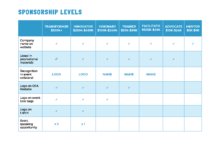
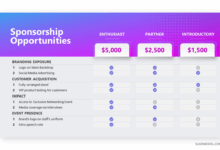
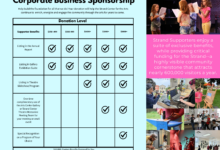
- Sponsorship Levels: Outline different sponsorship levels with corresponding benefits to entice sponsors.
- Audience Demographics: Include data on your target audience to help sponsors understand the reach of their partnership.
- Customization Options: Offer flexibility for sponsors to tailor their sponsorship package to their specific needs.
- Marketing Opportunities: Highlight the various marketing channels through which sponsors will be promoted.
- ROI Analysis: Provide a clear outline of the return on investment sponsors can expect from the partnership.
Examples of Compelling Sponsorship Proposals
- Case Study 1: XYZ Music Festival – XYZ Music Festival created a visually appealing proposal with detailed sponsorship levels and creative marketing opportunities, resulting in partnerships with major brands in the music industry.
- Case Study 2: ABC Sports Team – ABC Sports Team included a comprehensive audience demographics section in their proposal, showcasing the diverse and engaged fan base, leading to sponsorships from sports-related companies.
Strategies for Tailoring Proposals to Different Types of Sponsorship Opportunities
- Corporate Sponsorship: Emphasize the alignment between the sponsor’s brand values and your organization/event to attract corporate sponsors.
- In-Kind Sponsorship: Highlight the specific products or services your organization/event needs and how an in-kind sponsorship can fulfill those needs.
- Cause-Related Sponsorship: Showcase the social impact and community involvement aspects of your organization/event to appeal to sponsors with a strong CSR focus.
Managing Sponsorship Relationships
Maintaining strong relationships with sponsored parties is crucial for the success of sponsorship partnerships. These relationships help build trust, enhance communication, and create a mutually beneficial environment for both sponsors and sponsored entities.
Best Practices for Nurturing Relationships
- Regular Communication: Keep sponsors updated on the progress of sponsored activities and maintain open lines of communication for feedback and suggestions.
- Personalized Engagement: Tailor interactions with sponsors based on their preferences and interests to show appreciation and value their support.
- Deliver on Promises: Ensure that all commitments made to sponsors are fulfilled in a timely and satisfactory manner to build credibility and trust.
- Seek Feedback: Actively seek feedback from sponsors on their experience working with the sponsorship agency and address any concerns or issues promptly.
Strategies for Measuring Success
- Set Clear Objectives: Establish specific goals and key performance indicators (KPIs) to measure the success of sponsorship partnerships and track progress towards achieving them.
- Evaluate ROI: Measure the return on investment (ROI) for sponsors by analyzing the impact of the sponsorship on brand visibility, engagement, and overall business outcomes.
- Surveys and Feedback: Gather feedback from sponsors and sponsored entities through surveys or interviews to assess satisfaction levels and identify areas for improvement.
- Data Analysis: Utilize data analytics tools to track and analyze relevant metrics such as website traffic, social media engagement, and brand mentions to evaluate the effectiveness of sponsorship initiatives.
Sponsorship Trends and Innovations
In the dynamic world of sponsorship marketing, it is essential to stay updated on the latest trends and innovations to ensure successful partnerships and campaigns. Let’s explore some of the current trends shaping the sponsorship industry and the innovative strategies that are gaining popularity.
Virtual Sponsorships
Virtual sponsorships have emerged as a prominent trend in recent years, especially with the rise of virtual events and online platforms. Brands are now leveraging virtual spaces to reach a global audience and engage with their target market in innovative ways. Examples include virtual product placements in video games, sponsored virtual events, and digital collaborations with influencers.
Influencer Partnerships
Influencer partnerships have become a powerful tool for brands seeking to connect with their audience authentically. Collaborating with influencers allows brands to tap into their followers’ trust and loyalty, resulting in effective brand awareness and engagement. Influencers can promote products, services, or events in a more personalized and relatable manner, leading to increased visibility and credibility for the brand.
Technology-driven Sponsorship Marketing
Technology is revolutionizing the way sponsorship marketing is executed, providing new opportunities for brands to connect with consumers. From augmented reality experiences to personalized digital content, technology enables brands to create immersive and interactive sponsorship campaigns that resonate with their target audience. Leveraging data analytics and AI-driven insights also allows brands to optimize their sponsorship strategies for maximum impact.
Innovative Sponsorship Campaigns
Several brands have successfully implemented innovative sponsorship campaigns that have captured audience attention and generated significant buzz. For instance, Red Bull’s extreme sports events sponsorship, Nike’s collaborations with athletes for unique product launches, and Coca-Cola’s experiential marketing activations at major events showcase the power of creativity and innovation in sponsorship marketing. By thinking outside the box and pushing boundaries, brands can create memorable experiences that resonate with consumers and drive brand loyalty.
Legal and Ethical Considerations in Sponsorship
When engaging in sponsorship agreements, it is crucial to consider both the legal requirements and ethical considerations to ensure a successful and compliant partnership. By understanding the legal framework and ethical standards, you can avoid common pitfalls and build strong relationships with sponsors.
Legal Requirements in Sponsorship Agreements
- Ensure all sponsorship agreements are in writing and clearly outline the rights and obligations of both parties.
- Comply with relevant laws and regulations, including advertising standards, intellectual property rights, and competition laws.
- Include provisions for termination, dispute resolution, and indemnification to protect both parties in case of any issues.
- Obtain any necessary permits or licenses for specific types of sponsorships, such as alcohol or tobacco-related sponsorships.
Ethical Considerations in Sponsorship Deals
- Ensure that the sponsorship aligns with your organization’s values and mission to maintain ethical integrity.
- Avoid partnerships with sponsors whose reputation or values may conflict with your organization’s image or goals.
- Be transparent with stakeholders about sponsorship agreements, including any financial arrangements or conflicts of interest.
- Avoid misleading or deceptive practices in promoting sponsorships to the public or stakeholders.
Avoiding Common Legal Pitfalls
- Review all sponsorship agreements carefully with legal counsel to ensure compliance with laws and regulations.
- Avoid making false or unsubstantiated claims about the benefits of sponsorship to avoid legal repercussions for misleading advertising.
- Respect intellectual property rights, including trademarks and copyrights, when using sponsor logos or branding materials.
- Monitor and enforce compliance with sponsorship agreements to prevent any breaches that could lead to legal disputes.
Measuring ROI in Sponsorship
In the world of sponsorship, measuring return on investment (ROI) is crucial to determine the success and impact of a partnership. Various methodologies are used to assess the value generated from sponsorships, and key performance indicators (KPIs) play a significant role in evaluating the effectiveness of sponsorship campaigns.
Different Methodologies for Measuring ROI
When it comes to measuring ROI in sponsorship, there are several approaches that can be utilized. Some common methodologies include:
- Brand Exposure: Tracking the visibility and reach of the sponsor’s brand through various channels.
- Lead Generation: Monitoring the number of leads or conversions generated as a result of the sponsorship.
- Sales Impact: Analyzing the direct impact of the sponsorship on sales revenue and profitability.
- Social Media Metrics: Evaluating the engagement and interactions on social media platforms related to the sponsorship.
Key Performance Indicators (KPIs) for Sponsorship Campaigns
Effective KPIs help in assessing the success and performance of sponsorship campaigns. Some common KPIs used in measuring ROI in sponsorship include:
- Brand Awareness: Tracking the increase in brand visibility and recognition among the target audience.
- Engagement Metrics: Monitoring the level of engagement and interactions with the sponsorship content.
- Return on Objectives (ROO): Evaluating the achievement of specific objectives set for the sponsorship partnership.
- Media Equivalency Value: Calculating the equivalent advertising value of the sponsor’s exposure through the partnership.
Successful ROI Measurement Strategies in Sponsorship Marketing
Successful brands implement various strategies to measure ROI effectively in sponsorship marketing. Some examples of successful ROI measurement strategies include:
- Setting Clear Objectives: Establishing specific and measurable goals for the sponsorship to track performance accurately.
- Utilizing Technology: Leveraging data analytics tools and software to gather and analyze relevant data for ROI assessment.
- Surveying Stakeholders: Collecting feedback from stakeholders and participants to understand the impact of the sponsorship on their perceptions and behaviors.
- Comparative Analysis: Comparing the results of the sponsorship with previous campaigns or competitors to benchmark performance and identify areas for improvement.
Case Studies and Success Stories
In the world of sponsorship, success stories and case studies provide valuable insights into effective strategies and best practices. By analyzing successful sponsorship campaigns from various industries, we can learn from the experiences of brands that have effectively leveraged sponsorship agency services. These stories offer key takeaways and lessons learned that can be applied to future sponsorship endeavors.
Successful Sponsorship Campaign in Sports Industry
- One notable case study in the sports industry is the partnership between Nike and the NBA. By becoming the official apparel sponsor of the NBA, Nike gained significant visibility and brand exposure through product placement during games and events.
- Key takeaway: Strategic partnerships with major sports leagues can elevate brand awareness and create a strong association with a specific target audience.
Effective Brand Integration in Entertainment Industry
- An example of successful brand integration in the entertainment industry is the collaboration between Coca-Cola and popular music festivals. Coca-Cola’s presence at these events through sponsorships and activations has helped the brand connect with music lovers and create memorable experiences.
- Key takeaway: Seamless integration of a brand into the event experience can enhance brand loyalty and engagement among consumers.
Innovative Sponsorship Activation in Technology Sector
- One innovative case study in the technology sector is the partnership between Samsung and major tech conferences. Samsung’s interactive booths and product demos at these events have showcased the brand’s latest technology offerings and engaged attendees in a unique way.
- Key takeaway: Leveraging interactive experiences and cutting-edge technology can differentiate a brand’s sponsorship activations and leave a lasting impression on event attendees.
Ending Remarks
In conclusion, the world of sponsorship agencies offers a dynamic platform for businesses to thrive through strategic collaborations and innovative marketing initiatives.

Content specialist focused on providing clear, accurate, and engaging information for our readers.