As sponsors for business start up take center stage, this opening passage beckons readers into a world crafted with good knowledge, ensuring a reading experience that is both absorbing and distinctly original.
Exploring the realm of potential sponsors can be a game-changer for budding entrepreneurs looking to kickstart their ventures with the right support and resources.


Identifying Potential Sponsors
Identifying potential sponsors for a business startup is crucial for securing financial support and partnerships. Here are different types of potential sponsors, how to research and identify suitable sponsors, and the criteria to consider when evaluating them.
Types of Potential Sponsors
- Corporate sponsors: Large companies looking to invest in startups for mutual benefits.
- Angel investors: Individuals who provide capital for startups in exchange for ownership equity.
- Venture capitalists: Firms that invest in startups with high growth potential in exchange for equity.
- Government grants: Funding opportunities provided by government agencies to support specific industries or causes.
Researching and Identifying Suitable Sponsors
Researching and identifying suitable sponsors for a specific business niche involves:
- Understanding the target market and industry trends to find sponsors aligned with the business.
- Networking with industry professionals, attending events, and leveraging online platforms to connect with potential sponsors.
- Reviewing past sponsorships and partnerships in the industry to identify key players who may be interested in supporting the startup.
Criteria for Evaluating Potential Sponsors
When evaluating potential sponsors, consider the following criteria:
- Alignment with the startup’s values, mission, and goals to ensure a meaningful partnership.
- Financial stability and track record of successful investments in similar startups.
- Network and connections that can add value beyond just financial support.
- Long-term commitment and willingness to support the startup through different stages of growth.
Building a Sponsorship Proposal
When creating a sponsorship proposal, it is essential to include key components that effectively communicate the value proposition to potential sponsors. Tailoring the proposal to different types of sponsors can increase the chances of securing their support and investment in your business venture.
Essential Components of a Sponsorship Proposal:
- Introduction: Provide a brief overview of your business, its mission, and goals.
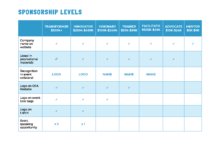
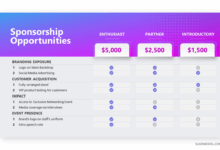
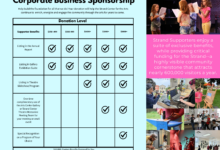
- Sponsorship Levels: Clearly outline the different sponsorship tiers and the benefits associated with each level of support.
- Target Audience: Describe your target audience demographics, reach, and engagement levels to showcase the potential exposure sponsors can gain.
- Marketing and Promotion Plan: Detail how sponsors will be promoted and recognized before, during, and after events or campaigns.
- ROI for Sponsors: Explain the return on investment sponsors can expect, including potential leads, brand visibility, and networking opportunities.
- Call to Action: Clearly state the next steps for potential sponsors to get involved and support your business.
Tips for Tailoring a Sponsorship Proposal to Different Types of Sponsors:
- Research Each Sponsor: Understand the sponsor’s goals, values, and target audience to align your proposal with their interests.
- Customize Benefits: Offer personalized benefits that cater to the sponsor’s specific needs and objectives.
- Showcase Alignment: Highlight how your business values and mission align with those of the sponsor to create a meaningful partnership.
- Demonstrate Impact: Provide data, testimonials, or case studies to demonstrate the positive impact of sponsoring your business.
- Engage in Dialogue: Be open to feedback and discussions with potential sponsors to tailor the proposal based on their input and preferences.
Importance of Showcasing the Value Proposition for Sponsors in the Proposal:
- Clear Communication: Explicitly state the benefits sponsors will receive and how their support will contribute to the success of your business.
- Evidence-Based Approach: Back up your claims with data, statistics, and examples to demonstrate the tangible value sponsors can gain.
- Build Trust: Establish credibility and trust by showcasing your track record, achievements, and potential for growth with the sponsor’s assistance.
- Create Long-Term Partnerships: Emphasize the potential for a lasting and mutually beneficial partnership that goes beyond a one-time sponsorship deal.
Creating Sponsorship Packages
Creating sponsorship packages is essential for attracting sponsors to support your business start-up. These packages should be designed strategically to cater to different sponsorship tiers and provide value to sponsors in return for their investment.
Designing Various Sponsorship Packages
When designing sponsorship packages, it’s important to consider the different needs and budgets of potential sponsors. Create multiple tiers of sponsorship packages with varying levels of benefits and exposure. For example, a basic package could include logo placement on marketing materials, while a premium package could offer exclusive networking opportunities and speaking slots at events.
- Basic Package: Includes logo placement on website and event materials, social media shoutouts, and a small booth at events.
- Standard Package: Offers all benefits of the basic package plus priority logo placement, dedicated email blasts, and sponsored content opportunities.
- Premium Package: Includes exclusive benefits such as VIP event access, speaking opportunities, personalized marketing campaigns, and prominent logo placement on all materials.
Incentivizing Sponsors to Choose Higher-Tier Packages
To encourage sponsors to choose higher-tier packages, highlight the unique value propositions of each tier. Emphasize the increased exposure, networking opportunities, and brand visibility that come with premium packages. Offer added perks such as exclusive access to industry leaders, personalized marketing campaigns, and custom branding opportunities to entice sponsors to invest at a higher level.
- Provide data on the reach and engagement of each sponsorship tier to showcase the potential return on investment.
- Offer exclusive benefits that are only available to sponsors at higher tiers to create a sense of exclusivity and value.
- Create a sense of urgency by limiting the number of spots available for premium packages or offering early bird discounts for early commitment.
Examples of Successful Sponsorship Packages
Well-known start-ups like Airbnb, Uber, and Dropbox have successfully attracted sponsors by offering comprehensive sponsorship packages tailored to different tiers. These companies have leveraged their brand recognition, innovative products, and strong network to create lucrative sponsorship opportunities for businesses looking to align with their brand and reach their target audience.
Negotiating with Potential Sponsors
When it comes to negotiating with potential sponsors, it’s essential to approach the process with a strategic mindset. Here are some tips to help you initiate contact and navigate the negotiation process effectively.
Initiating Contact
Initiating contact with potential sponsors can be done through various channels such as email, phone calls, or networking events. Make sure to personalize your approach and highlight the benefits of partnering with your business.
Approaching Negotiations
When approaching negotiations, it’s crucial to understand the needs and goals of both parties. Clearly outline what you can offer the sponsor and be open to their input as well. Focus on building a mutually beneficial partnership that aligns with both your objectives.
Handling Objections
During the negotiation process, you may encounter objections or rejections from potential sponsors. It’s important to address these concerns professionally and offer solutions that demonstrate the value of the sponsorship. Listen actively to their feedback and be prepared to adjust your proposal if needed.
Leveraging Networking for Sponsorship Opportunities
Networking plays a crucial role in finding potential sponsors for a startup. By building and maintaining relationships with key industry players, entrepreneurs can increase their chances of securing sponsorships for their business. Industry events and conferences also provide valuable opportunities to connect with potential sponsors and showcase the startup’s value proposition.
Tips for Networking with Potential Sponsors
- Attend industry events: Participating in conferences, trade shows, and networking events can help you meet potential sponsors face-to-face and pitch your sponsorship proposal.
- Utilize social media: Engage with potential sponsors on platforms like LinkedIn to establish connections and start meaningful conversations.
- Join industry associations: Becoming a member of relevant industry associations can provide access to networking opportunities with potential sponsors.
- Offer value: Focus on building genuine relationships with potential sponsors by offering value through industry insights, collaborations, or introductions to other key players.
Role of Industry Events and Conferences
Industry events and conferences serve as vital platforms for connecting with sponsors due to the high concentration of industry professionals in attendance. These events offer opportunities for startups to showcase their products or services, network with potential sponsors, and gain visibility within the industry. By actively participating in industry events and conferences, startups can increase their chances of securing valuable sponsorship deals and building long-lasting relationships with sponsors.
Measuring Sponsorship ROI
In order to assess the success of sponsorships for a startup, it is crucial to measure the return on investment (ROI) accurately. Tracking and analyzing sponsorship performance allows businesses to understand the impact of their sponsorships and make informed decisions for future partnerships. Here, we will discuss key metrics and methods for measuring sponsorship ROI and how startups can showcase this ROI to potential sponsors.
Key Metrics for Measuring Sponsorship ROI
- Brand Exposure: Measure the reach and visibility of the sponsorships through metrics like impressions, social media mentions, and website traffic.
- Lead Generation: Track the number of leads generated from the sponsorship activities, including sign-ups, inquiries, or conversions.
- Brand Sentiment: Monitor changes in brand perception and sentiment among the target audience before and after the sponsorship.
- Revenue Impact: Calculate the direct impact of the sponsorship on sales and revenue generation.
Methods for Measuring Sponsorship ROI
- Surveys and Feedback: Collect feedback from attendees, customers, or partners to gauge the effectiveness of the sponsorship in meeting objectives.
- Data Analysis: Use data analytics tools to track key performance indicators (KPIs) related to the sponsorship and assess its impact on business goals.
- Comparative Analysis: Compare the ROI of different sponsorship activities to identify the most effective strategies for future investments.
- Post-Event Evaluation: Conduct a thorough evaluation after the sponsorship event to analyze the outcomes and measure the ROI accurately.
Securing Long-Term Sponsorship Relationships
Securing long-term sponsorship relationships is crucial for the sustainability and growth of your business. By building strong partnerships with sponsors, you can ensure ongoing support for your initiatives and projects. This requires a strategic approach to maintain communication, deliver on promises, and exceed sponsor expectations.
Nurturing Relationships with Sponsors
Building trust and rapport with sponsors is key to maintaining long-term relationships. Regular communication, updates on project progress, and showing appreciation for their support are essential. By demonstrating transparency and accountability, you can strengthen the bond with sponsors and encourage continued investment in your business.
- Regularly update sponsors on the impact of their contributions
- Schedule meetings or calls to discuss future opportunities and collaborations
- Show gratitude through thank you notes, recognition at events, or exclusive perks
Exceeding Sponsor Expectations
To secure long-term sponsorships, it is important to go above and beyond in fulfilling your promises and delivering exceptional value. By exceeding sponsor expectations, you can demonstrate your commitment to their success and build a reputation for reliability and professionalism.
- Deliver on all sponsorship benefits and commitments in a timely manner
- Offer additional perks or exclusive opportunities to sponsors as a token of appreciation
- Solicit feedback from sponsors to improve future collaborations and tailor offerings to their needs
Creating Value-Added Opportunities
In order to retain sponsors for the long term, it is essential to create value-added opportunities that go beyond traditional sponsorship benefits. By offering unique experiences, access to exclusive events, or customized packages, you can provide sponsors with added value and incentives to continue their support.
- Develop customized sponsorship packages tailored to the sponsor’s goals and objectives
- Organize special events or networking opportunities exclusively for sponsors
- Collaborate on co-branded initiatives or projects to showcase the sponsor’s involvement and impact
Understanding Legal Aspects of Sponsorship Agreements
In the world of business sponsorships, it is crucial to have a clear understanding of the legal aspects involved in sponsorship agreements. These agreements outline the terms and conditions of the partnership between the sponsor and the business seeking sponsorship. To ensure a successful and compliant sponsorship deal, it is essential to include specific clauses, review legal terms thoroughly, and adhere to relevant laws and regulations.
Essential Clauses in a Sponsorship Agreement
When drafting a sponsorship agreement, certain essential clauses should be included to protect both parties and clarify the terms of the partnership. These clauses may include:
- Details of the sponsorship arrangement, including the scope of sponsorship, duration, and financial obligations.
- Intellectual property rights, specifying the permitted use of logos, trademarks, and other proprietary materials.
- Termination clauses outlining the conditions under which either party can end the agreement.
- Indemnification provisions to address liability and responsibilities in case of disputes or legal issues.
- Confidentiality agreements to protect sensitive information shared during the partnership.
Importance of Reviewing Legal Terms and Conditions
Before finalizing a sponsorship deal, it is crucial for both parties to review the legal terms and conditions of the agreement thoroughly. This step helps ensure that all aspects of the partnership are clearly defined, minimizing the risk of misunderstandings or disputes in the future. By reviewing the legal terms, both the sponsor and the business can protect their interests and establish a solid foundation for the collaboration.
Tips for Ensuring Legal Compliance in Sponsorship Agreements
To ensure compliance with relevant laws and regulations in sponsorship agreements, consider the following tips:
- Consult with legal experts or advisors specializing in sponsorship agreements to review and draft the contract.
- Stay informed about laws governing sponsorships, advertising, and marketing to avoid potential legal pitfalls.
- Clearly outline the rights and obligations of both parties in the agreement to prevent misunderstandings.
- Include provisions for dispute resolution mechanisms to address any conflicts that may arise during the partnership.
- Regularly update the sponsorship agreement to reflect changes in laws or business circumstances that may affect the partnership.
Showcasing Sponsorship Success Stories
In the world of business start-ups, sponsorships can play a crucial role in driving growth and visibility. By showcasing success stories of startups that have effectively leveraged sponsorships, you can inspire potential sponsors and demonstrate the impact of such partnerships.
Effective storytelling around sponsorship success can highlight the tangible benefits and outcomes that a business can achieve through strategic partnerships. This can include increased brand awareness, access to new markets, enhanced credibility, and financial support for growth initiatives.
Example: Tech Startup X
- Secured a sponsorship deal with a leading tech company, which provided funding for product development and marketing efforts.
- Gained exposure to a wider audience through the sponsor’s network and events, resulting in a significant increase in user acquisition.
- Showcased the partnership through social media, press releases, and industry events, attracting additional investors and partners.
Example: Fashion Startup Y
- Partnered with a well-known fashion brand for a collaborative collection, which generated buzz and media coverage.
- Received funding and mentorship support from the sponsor, leading to successful expansion into new markets and increased sales.
- Utilized the sponsorship success story in marketing campaigns and pitch presentations, strengthening the brand’s reputation and attracting new sponsors.
By effectively showcasing these success stories through various channels such as social media, press releases, industry events, and investor meetings, startups can build credibility and trust with potential sponsors. Highlighting the concrete outcomes and benefits of sponsorships can be a powerful tool in attracting new partners and fostering long-term relationships.
Diversifying Sponsorship Channels
When it comes to attracting sponsors for your startup, exploring different channels can significantly increase your chances of securing partnerships. By diversifying sponsorship channels, you open up opportunities to reach a wider range of potential sponsors who may resonate with your brand and vision.
Events as Sponsorship Channels
Events are a powerful platform for attracting sponsors as they offer direct engagement opportunities with your target audience. Whether it’s hosting a launch party, industry conference, or networking event, sponsors can benefit from increased brand visibility and exposure.
- Create tailored sponsorship packages that offer sponsors prominent branding opportunities at the event.
- Provide sponsors with access to exclusive networking sessions or speaking opportunities to enhance their visibility.
- Utilize event data and feedback to demonstrate the impact of sponsorships and attract future partners.
Digital Platforms and Social Media as Sponsorship Channels
Digital platforms and social media have become essential channels for startups to showcase their brand and attract sponsors. Leveraging these channels effectively can help you reach a broader audience and demonstrate your brand’s value to potential sponsors.
- Utilize targeted advertising on social media to showcase sponsor collaborations and reach a larger audience.
- Create engaging content that highlights sponsor benefits and showcases their support for your startup.
- Track and analyze social media metrics to provide sponsors with data on their brand exposure and engagement levels.
Creating a Cohesive Sponsorship Strategy
It’s essential to create a cohesive sponsorship strategy that aligns your messaging and goals across all channels to present a unified brand image to potential sponsors. Consistency in branding and communication can help build trust and credibility with sponsors.
- Develop a clear brand narrative that resonates with sponsors and showcases the unique value proposition of your startup.
- Ensure that sponsorship packages are customizable to fit the needs and objectives of different sponsors across various channels.
- Maintain open communication with sponsors to provide regular updates on the performance and impact of their sponsorship across different channels.
Wrap-Up
In conclusion, navigating the realm of sponsors for business start up is a strategic endeavor that can lead to fruitful collaborations, growth opportunities, and long-term success for emerging businesses.

Content specialist focused on providing clear, accurate, and engaging information for our readers.