Brand sponsorship sets the stage for this enthralling narrative, offering readers a glimpse into a story that is rich in detail and brimming with originality from the outset. In today’s competitive market, the strategic alliance between brands and sponsorships plays a crucial role in driving business success and building brand recognition.
Overview of Brand Sponsorship
Brand sponsorship is a marketing strategy where a company pays to be associated with a specific event, person, or organization in order to promote its brand. This form of marketing helps companies increase brand awareness, credibility, and loyalty among their target audience.
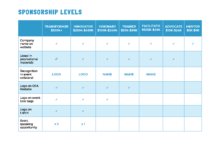
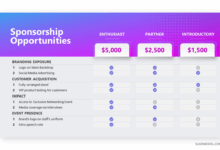


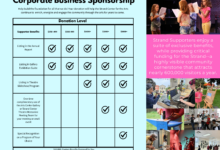

Types of Brand Sponsorship Opportunities
- Event Sponsorship: Companies can sponsor events such as music festivals, sports tournaments, or charity galas to reach a large and diverse audience.
- Influencer Sponsorship: Collaborating with influencers on social media platforms can help companies tap into their followers and increase brand visibility.
- Sports Team Sponsorship: By sponsoring sports teams or athletes, companies can align their brand with values like teamwork, determination, and success.
Benefits of Brand Sponsorship
Brand sponsorship offers numerous advantages for both the sponsor and the recipient. It is a mutually beneficial relationship that can lead to increased brand visibility, credibility, and revenue for all parties involved.
Enhanced Brand Visibility
Brand sponsorship allows companies to reach a wider audience through the sponsor’s existing platform or event. This exposure can help increase brand awareness and attract new customers.
Improved Brand Credibility
When a reputable brand sponsors another organization or event, it can enhance the sponsor’s credibility by association. Consumers are more likely to trust and support brands that are involved in meaningful sponsorships.
Increased Revenue Opportunities
Sponsorship deals can open up new revenue streams for both parties involved. Sponsors can benefit from increased sales and brand loyalty, while recipients can secure funding or resources to support their initiatives.
Comparison with Other Marketing Strategies
Brand sponsorship is often more effective than traditional advertising because it allows brands to connect with consumers in a more meaningful way. By aligning with a cause or event that resonates with their target audience, sponsors can create a lasting impact and build stronger relationships.
Examples of Successful Brand Sponsorship Campaigns
1. Nike’s partnership with the NBA: By sponsoring the NBA, Nike was able to leverage the league’s global fan base to promote its products and enhance its brand image.
2. Red Bull’s sponsorship of extreme sports events: Red Bull’s support of extreme sports competitions has helped position the brand as adventurous and daring, appealing to a younger demographic.
3. Coca-Cola’s partnership with FIFA World Cup: Coca-Cola’s long-standing sponsorship of the FIFA World Cup has helped the brand reach millions of football fans around the world and solidify its position as a global leader in the beverage industry.
Factors to Consider Before Choosing Brand Sponsorship
When deciding to engage in brand sponsorship, companies must carefully consider various factors to ensure a successful partnership that aligns with their goals and values.
Aligning Brand Values with the Sponsored Entity
It is crucial for companies to align their brand values with those of the sponsored entity to ensure a cohesive partnership. By choosing a sponsor that shares similar values, the brand can effectively communicate its message and resonate with the target audience. This alignment helps in building credibility and trust among consumers.
Analyzing Target Demographic and Market Reach
Before selecting a brand sponsorship opportunity, it is essential to analyze the target demographic and market reach of the sponsored entity. Understanding the audience that the sponsorship will reach allows companies to determine if it aligns with their target market. This analysis helps in maximizing the impact of the sponsorship and reaching the desired audience effectively.
Negotiating Brand Sponsorship Deals
Negotiating brand sponsorship deals is a crucial process that involves discussions and agreements between companies and entities to establish mutually beneficial partnerships. This process requires careful consideration and strategic planning to ensure a successful collaboration that meets the objectives of both parties.
Determining Brand Sponsorship Value
Determining the value of a brand sponsorship opportunity involves assessing various factors such as the reach and relevance of the target audience, the visibility and engagement offered by the sponsorship, and the overall brand alignment between the sponsor and the entity. By analyzing these key elements, both parties can negotiate a fair and competitive deal that reflects the true value of the partnership.
- Consider the demographics and interests of the target audience to gauge the potential impact of the sponsorship.
- Evaluate the level of exposure and brand recognition that the sponsorship can provide to both parties.
- Assess the market trends and competitive landscape to determine the market value of similar sponsorship opportunities.
Challenges in Negotiations and Solutions
During brand sponsorship deal negotiations, various challenges may arise that can hinder the progress of the partnership. It is essential to address these challenges proactively and find effective solutions to ensure a successful outcome.
- Resistance to Pricing: One common challenge is disagreement over the pricing and value of the sponsorship. To overcome this, both parties should transparently discuss their expectations and negotiate based on the actual benefits and ROI.
- Misaligned Objectives: If the goals and objectives of the sponsor and the entity are not aligned, it can lead to conflicts during negotiations. It is crucial to establish clear communication and alignment of interests to find common ground.
- Lack of Clarity: Unclear terms and conditions in the sponsorship agreement can create confusion and disputes. To avoid this, both parties should clearly outline their expectations, deliverables, and responsibilities in a detailed contract.
Measuring ROI in Brand Sponsorship
Measuring the return on investment (ROI) in brand sponsorship is crucial for determining the effectiveness of marketing initiatives and ensuring that resources are allocated efficiently. By analyzing key performance indicators (KPIs) and tracking relevant data, companies can evaluate the success of their brand sponsorship efforts.
Methods for Measuring ROI
One common method for measuring ROI in brand sponsorship is to compare the costs of the sponsorship with the revenue generated as a result of the partnership. This can be done by tracking sales, website traffic, social media engagement, and other relevant metrics before, during, and after the sponsorship period.
Key Performance Indicators (KPIs)
– Brand Awareness: Measure the increase in brand visibility and recognition among the target audience.
– Customer Engagement: Track customer interactions, such as website visits, social media likes/shares, and event attendance.
– Lead Generation: Monitor the number of leads generated through the sponsorship activities.
– Conversion Rate: Analyze the percentage of leads that turn into actual sales or conversions.
– Return on Ad Spend (ROAS): Calculate the revenue generated in relation to the amount spent on the sponsorship.
Importance of Tracking and Analyzing Data
Tracking and analyzing data is essential for determining the impact of brand sponsorship initiatives and making informed decisions for future partnerships. By evaluating KPIs and performance metrics, companies can identify areas of improvement, optimize their strategies, and maximize the ROI of their brand sponsorship efforts.
Legal and Ethical Considerations in Brand Sponsorship
When engaging in brand sponsorship agreements, companies must be aware of legal requirements and regulations to ensure compliance. Additionally, ethical considerations play a crucial role in selecting the right brand sponsorship opportunities and maintaining a positive brand image. Breaching sponsorship contracts can have serious implications, so it is essential to understand how to avoid legal disputes.
Legal Requirements and Regulations
- Companies must adhere to laws related to advertising, consumer protection, intellectual property, and competition when entering into brand sponsorship agreements.
- Disclosure requirements, such as clearly stating the nature of the relationship between the sponsor and the sponsored entity, must be followed to maintain transparency with consumers.
- Compliance with industry-specific regulations, such as those governing alcohol, tobacco, or pharmaceutical products, is crucial to avoid legal issues.
Ethical Considerations in Brand Sponsorship
- Companies should align with sponsorship opportunities that reflect their values and resonate with their target audience to maintain authenticity and credibility.
- Avoiding partnerships with entities that engage in unethical practices or go against the company’s values is essential to protect the brand’s reputation.
- Ensuring that sponsored content is truthful, respectful, and does not mislead consumers is a key ethical consideration in brand sponsorship.
Implications of Breaching Sponsorship Contracts
- Breaching sponsorship contracts can lead to legal disputes, financial penalties, damage to brand reputation, and strained relationships with partners.
- To avoid breaching contracts, companies should clearly outline terms, deliver on agreed-upon commitments, and communicate effectively with all parties involved.
- Resolving disputes through negotiation, mediation, or legal action may be necessary in cases where breaches occur, highlighting the importance of understanding and upholding sponsorship agreements.
Leveraging Social Media for Brand Sponsorship
Social media plays a crucial role in enhancing brand sponsorship campaigns by reaching a wider audience and creating more engaging content. It allows brands to connect with their target market on a more personal level, increasing brand awareness and loyalty.
Role of Social Media in Brand Sponsorship
- Social media platforms provide a direct channel to interact with consumers and build relationships.
- Brands can leverage user-generated content and engage with followers through contests, giveaways, and live events.
- Real-time feedback and analytics on social media help brands measure the impact of their sponsorship efforts.
Creating Engaging Sponsored Content on Social Media
- Focus on storytelling and authenticity to connect with the audience emotionally.
- Use high-quality visuals and multimedia content to grab attention and increase engagement.
- Collaborate with influencers and content creators to create authentic and relatable sponsored posts.
Impact of Influencer Marketing on Brand Sponsorship
- Influencers have a loyal following that trusts their recommendations, making them powerful advocates for brand sponsorships.
- Partnering with influencers can help reach niche audiences and drive higher conversion rates.
- Influencer marketing humanizes brands and makes them more relatable to consumers, increasing brand credibility.
International Brand Sponsorship Strategies
When it comes to brand sponsorship, strategies may vary significantly across different countries and regions due to cultural nuances, market dynamics, and consumer behaviors. Implementing brand sponsorship on a global scale requires careful consideration of these factors to ensure success.
Comparing Brand Sponsorship Strategies
- In the United States, brand sponsorship often focuses on high-profile sports events and entertainment, leveraging the massive reach of these platforms to increase brand visibility.
- In Europe, brand sponsorship is commonly seen in cultural events, festivals, and arts initiatives, aligning brands with the heritage and values of the region.
- In Asia, brand sponsorship frequently targets emerging markets and technology-driven platforms, tapping into the fast-paced digital landscape of the region.
Cultural Considerations in International Brand Sponsorship
- Cultural sensitivity is crucial when implementing brand sponsorship globally, as certain symbols, colors, or messages may have different meanings in various regions.
- Understanding local customs, traditions, and taboos is essential to avoid any misinterpretation or backlash from the target audience.
- Adapting brand messaging and visuals to resonate with the cultural preferences of each market can enhance the effectiveness of brand sponsorship initiatives.
Challenges and Opportunities in International Brand Sponsorship
- One of the main challenges of international brand sponsorship is navigating complex regulations and legal frameworks in different countries, requiring careful compliance and due diligence.
- Opportunities lie in leveraging diverse consumer insights and preferences from various regions to create innovative brand sponsorship campaigns that resonate globally.
- Building strong partnerships with local stakeholders and influencers can help brands establish credibility and authenticity in international markets.
Emerging Trends in Brand Sponsorship
In today’s dynamic marketing landscape, brand sponsorship continues to evolve, driven by various emerging trends that shape the strategies and practices in the industry. The influence of technology, changing consumer behaviors, and the need for authentic brand connections are key factors driving these trends.
Innovative Digital Platforms
With the rise of digital media and online content consumption, brand sponsorship is increasingly shifting towards innovative digital platforms. From influencer marketing on social media to virtual events and live streaming partnerships, brands are exploring new ways to engage with their target audience in a more personalized and interactive manner.
Data-Driven Decision Making
Data analytics and insights play a crucial role in the modern brand sponsorship landscape. Brands are leveraging data to identify the right sponsorship opportunities, measure the impact of their partnerships, and optimize their strategies for maximum ROI. The use of AI and machine learning technologies further enhances the effectiveness of data-driven decision making in brand sponsorship.
Sustainability and Purpose-Driven Partnerships
Consumers today are more conscious about sustainability and social responsibility, leading brands to seek purpose-driven partnerships that align with their values. Sustainable initiatives, cause-related marketing campaigns, and collaborations with organizations that support environmental or social causes are becoming increasingly popular in brand sponsorship.
Immersive Experiences and Virtual Reality
The integration of immersive experiences and virtual reality technologies in brand sponsorship is on the rise. Brands are exploring virtual events, VR experiences, and augmented reality activations to create unique and memorable interactions with consumers. These innovative approaches enhance brand visibility and engagement in an increasingly digital world.
Integration of eSports and Gaming
The booming eSports and gaming industry presents new opportunities for brand sponsorship. As the popularity of competitive gaming continues to grow, brands are partnering with eSports teams, gamers, and gaming events to reach a highly engaged audience. The integration of eSports and gaming in brand sponsorship strategies opens up a new frontier for brands to connect with tech-savvy consumers.
Final Thoughts
In conclusion, brand sponsorship emerges as a powerful tool for companies to connect with their target audience, amplify their reach, and foster meaningful partnerships. As businesses navigate the dynamic landscape of marketing, embracing brand sponsorship can pave the way for innovative strategies and sustainable growth.

Content specialist focused on providing clear, accurate, and engaging information for our readers.