Looking for sponsorship money opens doors to endless possibilities for events, organizations, or individuals seeking financial support. From understanding the importance of sponsorship to negotiating deals effectively, this guide covers all you need to know.
As you dive into the world of sponsorship, you’ll uncover valuable insights on researching potential sponsors, crafting compelling proposals, fulfilling obligations, and building lasting relationships that go beyond just financial transactions.


Understanding Sponsorship Money
Sponsorship money refers to financial support provided by companies, organizations, or individuals to events, organizations, or individuals in exchange for promotional opportunities or other benefits. It is a form of fundraising where sponsors contribute funds to support a particular cause or initiative.
The importance of sponsorship money cannot be overstated, as it plays a crucial role in enabling events, organizations, or individuals to achieve their goals and objectives. Sponsorship money can provide the necessary resources to cover expenses, enhance visibility and reach a wider audience, and establish valuable partnerships.
Benefits of Sponsorship Money
- Financial Support: Sponsorship money helps cover costs such as venue rental, equipment, marketing, and other expenses associated with hosting events or initiatives.
- Brand Exposure: Sponsors can benefit from increased brand visibility and exposure to a targeted audience through logo placement, mentions, or promotional materials.
- Partnership Opportunities: Sponsorship money can lead to strategic partnerships and collaborations that can help organizations or individuals expand their network and reach new audiences.
- Enhanced Credibility: By securing sponsorship money, events or organizations can enhance their credibility and reputation by associating with reputable brands or companies.
Types of Sponsorship Opportunities
When seeking sponsorship opportunities, there are various types available that organizations can consider. These opportunities can range from monetary support to in-kind contributions, each offering unique advantages and disadvantages.
Monetary Sponsorship
- Monetary sponsorship involves a financial contribution from a sponsor to support a specific event, project, or organization.
- Advantages:
- Provides direct financial assistance to fund activities and initiatives.
- Offers flexibility in how the funds can be utilized to meet specific needs.
- Can lead to increased exposure and brand visibility for sponsors.
- Disadvantages:
- May come with high expectations from sponsors regarding ROI and outcomes.
- Requires clear communication and accountability to ensure sponsors are satisfied with the impact of their investment.
In-Kind Sponsorship
- In-kind sponsorship involves the provision of goods or services instead of direct monetary support.
- Advantages:
- Allows organizations to access resources they may not have been able to afford otherwise.
- Can result in cost savings for the organization receiving the sponsorship.
- Builds partnerships based on shared goals and mutual benefits.
- Disadvantages:
- Can be challenging to quantify the value of in-kind donations compared to monetary contributions.
- Requires careful management and communication to ensure the needs of both parties are met effectively.
Researching Potential Sponsors
When looking for potential sponsors for an event or project, it is essential to conduct thorough research to identify the right fit. Here are some key steps to consider when researching potential sponsors:
Identifying Potential Sponsors
To begin, start by identifying companies or organizations that align with the goals and values of your event or project. Look for businesses that operate in relevant industries or have a target audience that overlaps with yours.
- Research companies that have sponsored similar events or projects in the past.
- Consider reaching out to local businesses or larger corporations, depending on the scale of your event.
- Utilize online resources and databases to find potential sponsors within your niche.
Criteria to Consider
When researching potential sponsors, it is important to consider the following criteria:
1. Relevance: Ensure that the sponsor’s brand and values align with your event or project.
2. Budget: Determine if the sponsor has the financial capacity to support your initiative.
3. Reach: Evaluate the sponsor’s reach and audience to gauge the potential impact of their support.
Approaching and Pitching to Potential Sponsors
To approach and pitch to potential sponsors effectively, consider the following tips:
- Personalize your outreach by addressing the sponsor directly and highlighting why their support is valuable.
- Clearly outline the benefits of sponsoring your event or project, including brand exposure and marketing opportunities.
- Provide data and metrics to support your pitch, such as expected attendance numbers or social media reach.
- Follow up with sponsors after the initial pitch to answer any questions and solidify the partnership.
Crafting a Sponsorship Proposal
When creating a sponsorship proposal, it is essential to include specific components to make it effective and appealing to potential sponsors. A well-crafted proposal can significantly increase your chances of securing sponsorship for your event or project.
Essential Components of a Sponsorship Proposal:
- An introduction detailing background information about your organization or event.
- A clear outline of the sponsorship benefits that the sponsor will receive.
- Details on the target audience and how the sponsor’s brand will be exposed to them.
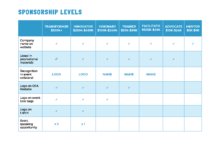
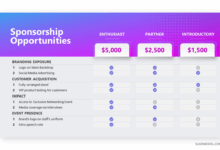
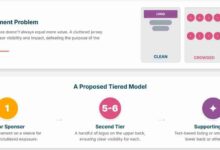
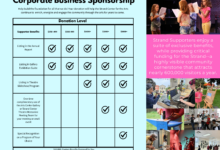
- A breakdown of the sponsorship levels and associated costs.
- A call to action inviting the sponsor to partner with your organization.
Examples of Successful Sponsorship Proposals:
- The sponsorship proposal for the FIFA World Cup, which highlighted the global reach and exposure for sponsors.
- The TED Conference sponsorship proposal, showcasing the prestigious nature of the event and the opportunity for sponsors to align with innovation and thought leadership.
Strategies for Customizing a Sponsorship Proposal:
- Research each potential sponsor to understand their values, target audience, and marketing objectives.
- Tailor the sponsorship benefits to align with the sponsor’s specific goals and interests.
- Personalize the proposal by addressing the sponsor directly and showcasing how their brand can benefit from the partnership.
- Highlight any unique opportunities or activations that are tailored to the sponsor’s industry or niche.
Negotiating Sponsorship Deals
Negotiating sponsorship deals effectively requires a combination of strategy, communication skills, and flexibility. By understanding the needs and goals of both parties involved, you can increase the chances of reaching a mutually beneficial agreement.
Tips for Effective Negotiation
- Do your research: Understand the sponsor’s target audience, marketing objectives, and budget constraints before entering into negotiations.
- Highlight the benefits: Clearly communicate the value that your event or project can offer to the sponsor, emphasizing the potential for brand exposure and engagement.
- Be flexible: Be open to compromise and willing to tailor the sponsorship package to meet the sponsor’s specific needs and preferences.
- Focus on long-term relationships: Instead of viewing negotiations as a one-time transaction, aim to build a lasting partnership based on trust and mutual respect.
Common Challenges and Solutions
- Challenge: Misalignment of expectations – Solution: Clearly define goals and deliverables from the outset to avoid misunderstandings during negotiations.
- Challenge: Budget constraints – Solution: Offer creative solutions such as tiered sponsorship packages or in-kind contributions to accommodate the sponsor’s financial limitations.
- Challenge: Competing offers – Solution: Differentiate your proposal by highlighting the unique benefits and opportunities that set your event or project apart from others.
Successful Negotiation Tactics
-
Position your proposal as a win-win opportunity for both parties, focusing on the value and ROI that the sponsor can expect to receive.
- Listen actively to the sponsor’s feedback and concerns, adjusting your approach accordingly to address any hesitations or objections.
- Establish clear communication channels and timelines to ensure that both parties are aligned throughout the negotiation process.
Fulfilling Sponsorship Obligations
When accepting sponsorship money, it is essential to understand the responsibilities that come with it. Fulfilling sponsorship obligations involves delivering value to sponsors through various means such as brand exposure, engagement opportunities, and positive brand association.
Creating Engaging Content
To fulfill sponsorship obligations, creating engaging content is crucial. This can include sponsored posts on social media, blog features, or videos highlighting the sponsor’s products or services. By producing high-quality and relevant content, sponsors can reach a wider audience and increase brand visibility.
Providing Brand Exposure
Another way to fulfill sponsorship obligations is by providing brand exposure. This can be done through logo placement at events, mentions in newsletters, or banners on websites. By ensuring that sponsors are prominently featured in promotional materials, you can help increase their brand awareness and visibility.
Offering VIP Experiences
One effective sponsorship activation strategy is offering sponsors VIP experiences. This can include exclusive access to events, meet-and-greet opportunities with influencers, or special discounts on products or services. By providing unique and memorable experiences, sponsors are more likely to see the value in their partnership with you.
Measuring ROI
It is important to measure the return on investment (ROI) for sponsors to demonstrate the value of their partnership. This can be done through tracking metrics such as website traffic, social media engagement, or sales conversions. By providing sponsors with concrete data on the impact of their sponsorship, you can build trust and strengthen the relationship.
Measuring Sponsorship ROI
Measuring the return on investment (ROI) of sponsorship money is crucial to determine the success and effectiveness of your sponsorship deals. By analyzing the impact of your sponsorships, you can make informed decisions for future partnerships and ensure that you are maximizing the benefits for both parties involved.
Methods for Measuring Sponsorship ROI
- Calculate the increase in brand awareness and visibility through metrics such as website traffic, social media engagement, and media mentions.
- Track the direct revenue generated from the sponsorship, such as ticket sales, product purchases, or lead conversions.
- Conduct surveys or feedback forms to gather qualitative data on brand perception and consumer behavior changes as a result of the sponsorship.
Key Performance Indicators (KPIs) for Sponsorship Deals
- ROI: Measure the ratio of the net profit gained from the sponsorship to the cost of the sponsorship investment.
- Brand Exposure: Monitor the reach and frequency of your brand being displayed or mentioned during the sponsorship activation.
- Engagement Metrics: Analyze the level of audience interaction and participation with the sponsored content or events.
Tools and Software for Measuring Sponsorship ROI
There are various tools and software available to help you track and measure the ROI of your sponsorship deals:
– Google Analytics: Monitor website traffic, conversions, and user behavior related to your sponsorship activities.
– Social Media Analytics: Utilize platforms like Facebook Insights, Twitter Analytics, or Instagram Insights to evaluate engagement and reach.
– CRM Systems: Integrate customer relationship management systems to connect sponsorship activities with sales leads and revenue generation.
Building Long-Term Sponsorship Relationships
Building and maintaining long-term relationships with sponsors is crucial for the success of any sponsorship partnership. By fostering strong connections with sponsors, you not only secure ongoing support but also create a mutually beneficial relationship that can lead to increased brand exposure and loyalty. Communication and transparency are key elements in building and sustaining these long-term sponsor relationships. Keeping sponsors informed about the impact of their support and involving them in the planning and execution of sponsorship activities can go a long way in solidifying the partnership.
Strategies for Building Long-Term Relationships
- Regular communication: Stay in touch with sponsors through meetings, emails, and updates to keep them engaged and informed about the progress of the sponsorship.
- Transparency: Be open and honest about the outcomes of the sponsorship and any challenges faced along the way. Transparency builds trust and credibility in the relationship.
- Personalization: Tailor your interactions with sponsors based on their preferences and interests to show that you value the partnership.
- Offer value: Provide sponsors with opportunities to showcase their brand and engage with your audience in meaningful ways to demonstrate the benefits of the partnership.
Examples of Successful Long-Term Sponsorship Partnerships
- Red Bull and extreme sports events: Red Bull has established long-term partnerships with various extreme sports events, creating a strong brand presence in the sports industry.
- Nike and professional athletes: Nike has maintained long-standing relationships with top athletes, sponsoring them throughout their careers and leveraging their success to promote the brand.
- Coca-Cola and major sports leagues: Coca-Cola has been a long-time sponsor of major sports leagues like the NFL and FIFA, showcasing its products and engaging fans through innovative marketing campaigns.
Legal Considerations in Sponsorship Agreements
When entering into sponsorship agreements, it is crucial to consider important legal aspects to ensure the rights and obligations of both parties are clearly defined and protected. This helps in avoiding any disputes or misunderstandings in the future. Key clauses in a sponsorship contract should cover areas such as payment terms, duration of the agreement, intellectual property rights, termination clauses, and liability provisions.
Key Clauses in Sponsorship Contracts
- Payment Terms: Clearly outline the amount of sponsorship money to be paid, the schedule of payments, and any additional fees or expenses.
- Duration of Agreement: Specify the start and end dates of the sponsorship deal, along with any renewal options or termination clauses.
- Intellectual Property Rights: Define how the sponsor’s logo, brand, or other intellectual property can be used by the sponsored party and any restrictions on such usage.
- Termination Clauses: Include provisions for terminating the agreement early, reasons for termination, and any penalties or consequences for early termination.
- Liability Provisions: Clarify each party’s responsibilities and liabilities in case of any breaches of the agreement, damages, or disputes.
Legal Issues in Sponsorship Deals
-
Ambush Marketing:
This occurs when a non-sponsor tries to associate itself with a sponsored event or entity without paying for the sponsorship rights. To address this, sponsorship agreements should include clear exclusivity clauses and penalties for unauthorized marketing activities.
-
Intellectual Property Infringement:
Ensure that the sponsored party has the right to use the sponsor’s trademarks and intellectual property as agreed in the contract to avoid any legal issues related to infringement.
-
Indemnification:
Include provisions for indemnifying each party against any claims, damages, or losses arising from the sponsorship deal to protect both parties from potential legal liabilities.
Diversifying Sponsorship Revenue Streams
When it comes to securing sponsorship for an event or project, diversifying your sources of revenue can be a smart strategy. By attracting multiple sponsors, you not only spread out the financial risk but also open up opportunities for greater exposure and support. Here, we will explore ways to diversify sponsorship revenue streams and the benefits of having multiple sponsors.
Benefits of Multiple Sponsors
Having multiple sponsors for an event or project can bring a range of benefits, including:
- Increased financial support: With multiple sponsors contributing, you can raise more funds to cover expenses and potentially expand the scope of your event or project.
- Broader audience reach: Each sponsor may have its own network and audience, allowing you to reach a wider demographic and increase visibility.
- Diverse expertise and resources: Different sponsors can bring unique skills, resources, and perspectives to the table, enriching the overall experience and outcomes.
- Reduced dependency: Relying on a single sponsor can be risky, as changes in their circumstances could impact your project. Diversifying sponsors reduces this dependency and safeguards against unforeseen challenges.
Creative Approaches to Attracting Diverse Sponsors
There are several creative approaches you can take to attract diverse sponsors for your event or project:
- Customized sponsorship packages: Offer tailored sponsorship packages that cater to the specific needs and goals of potential sponsors, showcasing the value they can gain from partnering with you.
- Collaborative sponsorships: Explore partnerships with other organizations or events to create joint sponsorship opportunities that appeal to a wider range of sponsors and audiences.
- Industry-specific sponsor outreach: Identify sponsors within different industries or sectors that align with your event or project, highlighting the relevance and benefits of partnership.
- Engaging storytelling: Develop compelling narratives and storytelling around your event or project to attract sponsors who resonate with your mission, vision, and values.
Case Studies and Success Stories
Case studies and success stories play a crucial role in understanding the impact of successful sponsorship campaigns or partnerships. By analyzing innovative approaches and lessons learned from past endeavors, we can gain valuable insights into securing sponsorship money effectively.
Nike and the NFL Partnership
Nike’s partnership with the NFL is a prime example of a successful sponsorship collaboration. By becoming the official uniform provider for the league, Nike secured a long-term agreement that not only boosted brand visibility but also solidified its position as a leader in sports apparel. This partnership showcases the importance of aligning with reputable organizations to enhance brand credibility and reach a wider audience.
- Nike’s strategic decision to invest in sponsoring the NFL allowed the brand to connect with football fans on a global scale.
- The partnership enabled Nike to leverage the NFL’s massive fan base and media coverage to promote its products and enhance brand recognition.
- By incorporating innovative design elements into the uniforms and merchandise, Nike was able to create buzz and generate excitement among fans, leading to increased sales and brand loyalty.
Red Bull and Extreme Sports Sponsorship
Red Bull’s sponsorship of extreme sports events and athletes is another successful case study in securing sponsorship money. The energy drink company’s commitment to supporting adrenaline-fueled activities not only resonates with its target audience but also reinforces its brand image as a symbol of vitality and adventure.
- Red Bull’s strategic partnerships with top athletes in sports like snowboarding, surfing, and skateboarding have helped create a strong association between the brand and extreme sports culture.
- By organizing and sponsoring high-profile events such as the Red Bull Rampage and Red Bull Air Race, the company has positioned itself as a key player in the extreme sports industry.
- Red Bull’s success in sponsoring extreme sports lies in its ability to authentically connect with enthusiasts and influencers in the niche market, resulting in a loyal customer base and increased brand visibility.
Closing Summary
Embark on your journey to securing sponsorship money armed with the knowledge and strategies shared in this guide. By implementing the tips and best practices outlined here, you’ll be well-equipped to navigate the realm of sponsorship and unlock new avenues for success.

Content specialist focused on providing clear, accurate, and engaging information for our readers.