Looking for sponsors can be a challenging yet rewarding endeavor. From crafting compelling proposals to negotiating deals, the process involves a strategic approach to attract potential sponsors effectively.
As organizations seek to build lasting relationships with sponsors, understanding key tactics and activation strategies becomes paramount in achieving sponsorship success.


Ways to Attract Sponsors
Attracting sponsors is crucial for the success of any event or project. Here are some creative strategies to attract potential sponsors and tailor sponsorship proposals to different types of sponsors.
Showcasing Value to Sponsors
One of the most important aspects of attracting sponsors is showcasing the value they will gain from partnering with you. Highlight the benefits they will receive such as brand exposure, access to a specific target audience, or opportunities for networking and collaboration.
Tailoring Sponsorship Proposals
Different sponsors have different goals and priorities, so it’s essential to tailor your sponsorship proposals to align with their specific needs. Research each potential sponsor to understand their brand, values, and target audience. Customize your proposal to show how partnering with you can help them achieve their marketing objectives.
Building Sponsorship Packages
When creating sponsorship packages, it is essential to tailor them to the specific needs and goals of both the event or organization seeking sponsorship and the potential sponsors. By offering value and benefits that align with the sponsor’s objectives, you increase the likelihood of securing their support. Here are some key points to consider when building sponsorship packages:
Types of Sponsorship Packages
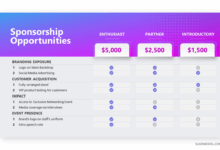
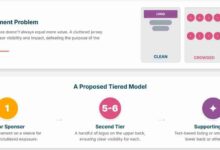
- Gold, Silver, and Bronze Packages: These tiered packages offer varying levels of benefits and exposure based on the sponsorship amount.
- In-Kind Sponsorship: Instead of monetary support, sponsors provide goods or services in exchange for recognition and visibility.
- Event Activation Packages: Sponsors can have a presence at the event through booths, speaking opportunities, or branded activities.
Determining the Right Package
- Understand Sponsor Objectives: Research and identify what sponsors are looking to achieve by partnering with your event or organization.
- Customization: Tailor packages to meet the specific needs and interests of potential sponsors, offering unique opportunities for collaboration.
- Value Proposition: Clearly communicate the benefits sponsors will receive, such as brand exposure, networking opportunities, and increased visibility.
Key Components of a Sponsorship Package
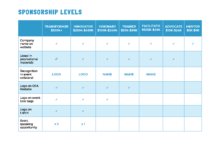
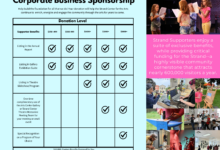
- Sponsorship Levels: Clearly outline the different tiers of sponsorship and the corresponding benefits for each level.
- Branding Opportunities: Include options for sponsors to have their logo displayed prominently at the event or in promotional materials.
- Marketing and Promotion: Detail how sponsors will be recognized and promoted before, during, and after the event to maximize their exposure.
- Engagement Opportunities: Provide sponsors with ways to engage with attendees, such as speaking slots, product demonstrations, or exclusive networking events.
Identifying Potential Sponsors
Identifying potential sponsors is a crucial step in securing partnerships that can benefit your organization or event. By researching and aligning sponsors with your target audience or goals, you can create mutually beneficial relationships that support your objectives. Here are some methods for identifying potential sponsors and approaching them effectively.
Researching Potential Sponsors
Researching potential sponsors is essential to ensure that they align with your organization’s values, target audience, and goals. Here are some ways to research potential sponsors:
- Look for companies or organizations that have sponsored similar events or initiatives in the past.
- Utilize online resources such as business directories, company websites, and social media platforms to gather information about potential sponsors.
- Consider the industry or sector that your organization operates in and identify companies that have a vested interest in supporting causes related to your field.
- Attend industry events, conferences, or networking opportunities to connect with potential sponsors and learn more about their priorities and objectives.
Aligning Sponsors with Target Audience or Goals
It is crucial to align sponsors with your target audience or goals to ensure that the partnership is meaningful and mutually beneficial. Here’s how you can align sponsors effectively:
- Identify sponsors whose products, services, or values resonate with your target audience to create a natural connection.
- Consider the demographic, psychographic, and behavioral characteristics of your target audience to determine which sponsors would be most appealing to them.
- Align sponsors with your organization’s goals, values, and mission to create a cohesive partnership that supports your overarching objectives.
- Communicate clearly with potential sponsors about your target audience and goals to demonstrate the value of partnering with your organization.
Approaching Potential Sponsors Effectively
Approaching potential sponsors effectively is key to securing successful partnerships. Here are some tips for approaching potential sponsors:
- Personalize your outreach to potential sponsors by addressing their specific interests, values, and objectives.
- Clearly articulate the benefits of partnering with your organization, including brand exposure, audience engagement, and alignment with their target market.
- Offer customized sponsorship packages that cater to the sponsor’s unique needs and objectives, showcasing the value of the partnership.
- Follow up with potential sponsors after initial contact to maintain communication and address any questions or concerns they may have.
Creating Compelling Sponsorship Proposals
When creating a sponsorship proposal, it is crucial to include key elements that will capture the attention of potential sponsors and showcase the value of partnering with your organization. Here are some essential elements to consider:
Key Elements of a Compelling Sponsorship Proposal
When crafting a sponsorship proposal, be sure to include the following key elements:
- An overview of your organization, including its mission, values, and target audience.
- A detailed description of the event, project, or initiative that requires sponsorship.
- A clear outline of the benefits and value that the sponsor will receive in return for their support.
- A breakdown of the sponsorship levels and corresponding benefits for each level.
- Information on the reach and exposure that the sponsor can expect through the partnership.
- A compelling call-to-action that encourages the sponsor to take the next steps.
Tips to Make Sponsorship Proposals Stand Out
Here are some tips to make your sponsorship proposals stand out from the competition:
- Personalize the proposal to each potential sponsor by highlighting how their brand aligns with your organization’s values and goals.
- Use visuals, such as infographics or images, to make the proposal visually appealing and engaging.
- Include testimonials or case studies from past sponsors to showcase the success of previous partnerships.
- Highlight unique and creative sponsorship opportunities that set your proposal apart from others.
- Follow up with potential sponsors after sending the proposal to answer any questions and discuss further details.
Tailoring Sponsorship Proposals to Different Industries
When tailoring sponsorship proposals to different industries or companies, consider the following:
- Research the specific industry or company to understand their priorities, target audience, and marketing objectives.
- Customize the proposal to showcase how sponsoring your organization can help the sponsor achieve their unique goals.
- Highlight industry-specific benefits or opportunities that are relevant to the potential sponsor.
- Adjust the language and tone of the proposal to align with the communication style of the industry or company you are targeting.
Sponsorship Activation Strategies
Sponsorship activation refers to the process of bringing a partnership to life by creating engaging experiences that connect the sponsor’s brand with the target audience. It is crucial for sponsors to see a return on their investment and for the sponsored event or organization to maximize the benefits of the partnership.
Examples of Successful Sponsorship Activation Strategies
- Branded Experiences: Creating interactive experiences that showcase the sponsor’s products or services in a memorable way. For example, a sports event sponsor could set up a booth where attendees can try out their latest equipment.
- Digital Campaigns: Leveraging digital platforms like social media, websites, and email marketing to reach a wider audience and drive engagement. This could include sponsored contests, giveaways, or behind-the-scenes content.
- Event Integration: Seamlessly incorporating the sponsor’s branding and messaging throughout the event, from signage and banners to product placements and mentions by event hosts or athletes.
- Community Engagement: Partnering with local communities to give back and show support, such as sponsoring charity events or volunteering opportunities. This helps build a positive brand image and connect with consumers on a deeper level.
Measuring the Effectiveness of Sponsorship Activation Efforts
- Brand Awareness: Tracking metrics like social media impressions, website traffic, and media mentions to gauge the reach and visibility of the sponsor’s brand before and after the activation.
- Engagement Metrics: Monitoring audience interactions such as likes, shares, comments, and click-through rates to assess the level of engagement generated by the sponsorship activation.
- Sales and Conversions: Analyzing sales data, coupon redemptions, and website conversions to measure the direct impact of the sponsorship on driving consumer behavior and purchases.
- Sponsor Feedback: Gathering feedback from sponsors through surveys, interviews, or focus groups to understand their satisfaction level, ROI expectations, and areas for improvement in future activations.
Negotiating Sponsorship Deals
Negotiating sponsorship deals is a crucial step in establishing mutually beneficial partnerships with sponsors. It involves finding a balance between meeting the needs of your event or organization and providing value to the sponsor. Here are some tips to help you navigate the negotiation process successfully.
Tips for Negotiating Win-Win Sponsorship Deals
- Do your research: Understand the sponsor’s goals, target audience, and previous sponsorships to tailor your proposal effectively.
- Highlight the benefits: Clearly communicate the value proposition for the sponsor, focusing on how their brand will be showcased and the impact on their marketing objectives.
- Be flexible: Negotiation is a two-way street, so be open to compromise and adjustments to meet the needs of both parties.
- Set clear expectations: Establishing transparent guidelines and deliverables upfront can prevent misunderstandings and ensure a successful partnership.
- Value long-term relationships: Building trust and loyalty with sponsors can lead to repeat partnerships and ongoing support for your events or initiatives.
Common Pitfalls to Avoid During Sponsorship Negotiations
- Overpromising and underdelivering: Be realistic about what you can offer and make sure you can fulfill your commitments to the sponsor.
- Ignoring the sponsor’s needs: Focus on creating a customized package that aligns with the sponsor’s objectives rather than a one-size-fits-all approach.
- Not negotiating terms: Don’t shy away from discussing financial details, exclusivity clauses, or performance metrics to ensure a mutually beneficial agreement.
- Lack of communication: Keep the lines of communication open throughout the negotiation process to address any concerns or questions promptly.
- Failure to follow up: After reaching an agreement, stay engaged with the sponsor to maintain a strong relationship and maximize the partnership’s impact.
Establishing Mutually Beneficial Partnerships with Sponsors
- Focus on value: Emphasize the unique benefits and opportunities your event or organization can offer to the sponsor, showcasing the return on investment.
- Collaborate creatively: Work together with the sponsor to develop innovative activation strategies that resonate with their brand and engage the target audience effectively.
- Evaluate performance: Regularly assess the success of the sponsorship deal based on agreed-upon metrics, making adjustments as needed to optimize results for both parties.
- Show appreciation: Recognize and thank sponsors for their support, whether through exclusive experiences, networking opportunities, or personalized perks to strengthen the partnership.
- Seek feedback: Solicit input from sponsors on their experience and suggestions for improvement to enhance future collaborations and foster long-term relationships.
Leveraging Social Media for Sponsorship
Social media has become a powerful tool for attracting sponsors due to its wide reach and ability to engage with target audiences effectively. By leveraging social media platforms, organizations can showcase their brand, connect with potential sponsors, and demonstrate the value they can offer in a dynamic and interactive way.
Role of Social Media in Attracting Sponsors
- Increased Visibility: Social media allows organizations to increase their visibility and reach a larger audience, including potential sponsors who may be interested in partnering.
- Engagement Opportunities: Platforms like Instagram, Twitter, and LinkedIn provide opportunities for organizations to engage with sponsors through content, comments, and direct messaging.
- Brand Exposure: By creating engaging and relevant content, organizations can showcase their brand personality and values, attracting sponsors who align with their mission.
Examples of Successful Social Media Campaigns for Sponsorship
- Red Bull Stratos: Red Bull’s social media campaign around Felix Baumgartner’s record-breaking space jump attracted sponsors and generated widespread buzz and engagement.
- Nike’s #Breaking2: Nike’s social media campaign promoting their attempt to break the two-hour marathon barrier showcased their innovation and commitment to pushing boundaries, attracting sponsors who wanted to be associated with the event.
Role of Influencers in Securing Sponsorships through Social Media
- Influencers play a crucial role in securing sponsorships through social media by leveraging their large following and engagement to promote brands and attract sponsors.
- Organizations can partner with influencers who align with their target audience and values to reach a wider demographic and attract sponsors interested in reaching that specific market.
- Influencers can create authentic and engaging content that showcases the benefits of partnering with an organization, making it more appealing to potential sponsors.
Maintaining Sponsor Relationships
Maintaining long-term relationships with sponsors is crucial for the sustainability of your sponsorship deals. It is essential to fulfill sponsorship obligations and communicate effectively to ensure the satisfaction of your sponsors.
Consistent Communication
Effective communication is key to maintaining sponsor relationships. Regularly update sponsors on the progress of sponsored events or activities, share relevant data and insights, and seek feedback to show that their partnership is valued. Consistent communication helps build trust and transparency, making sponsors feel involved and informed.
Delivering Value
To maintain sponsor relationships, it is important to consistently deliver value beyond the initial sponsorship agreement. This can include offering additional promotional opportunities, exclusive access to events, or personalized benefits that align with the sponsor’s goals and objectives. By continuously demonstrating the ROI of their investment, sponsors are more likely to renew their support.
Acknowledgment and Appreciation
Showing appreciation and acknowledging the contributions of sponsors is essential for maintaining positive relationships. Publicly recognize sponsors through social media shoutouts, logo placements, and thank you messages at events. By highlighting their support and impact, sponsors feel valued and appreciated, strengthening the partnership for the long term.
Feedback and Evaluation
Seeking feedback from sponsors and evaluating the effectiveness of sponsorship activations is vital for continuous improvement. Conduct post-event surveys, performance reviews, and ROI analysis to gather insights and identify areas for enhancement. By incorporating sponsor feedback and adapting strategies accordingly, you demonstrate a commitment to their success and satisfaction.
Measuring Sponsorship ROI
When it comes to measuring the return on investment (ROI) of sponsorships, it is crucial to have a clear understanding of the methods and tools available. Tracking key performance indicators (KPIs) plays a significant role in evaluating the success of sponsorships and determining their impact on the overall marketing strategy.
Different Methods for Measuring ROI
- Direct Revenue Impact: This method involves tracking the direct revenue generated as a result of the sponsorship. This includes sales, leads, or conversions attributed to the sponsorship.
- Brand Exposure: Measuring brand exposure through metrics such as brand mentions, logo visibility, and media coverage can provide valuable insights into the reach and visibility of the sponsorship.
- Social Media Engagement: Analyzing social media metrics like engagement, reach, and impressions can help quantify the impact of the sponsorship on social media platforms.
Importance of Tracking KPIs for Sponsorships
- Identifying Success Metrics: Tracking KPIs allows sponsors to identify which aspects of the sponsorship are most effective in achieving the desired goals.
- Evaluating Performance: By measuring KPIs, sponsors can evaluate the performance of the sponsorship and make data-driven decisions for future partnerships.
- Demonstrating ROI: Tracking KPIs provides tangible evidence of the ROI generated by the sponsorship, which is essential for proving the value of the partnership.
Tools for Analyzing Sponsorship ROI
- Sponsorship Evaluation Software: Tools like Sponsorship Buddy, Sponsorship Catalyst, or Sponsorship CRM offer features for tracking, analyzing, and reporting on sponsorship ROI.
- Social Media Analytics: Platforms such as Sprout Social, Hootsuite, or Buffer provide in-depth analytics for measuring the impact of sponsorships on social media platforms.
- Sales and CRM Systems: Integrating sponsorship data into sales and CRM systems like Salesforce or HubSpot can help in evaluating the revenue impact of sponsorships.
Epilogue
In conclusion, the journey of looking for sponsors is multifaceted, requiring a blend of creativity, persistence, and effective communication. By implementing the right strategies and maintaining strong sponsor relationships, organizations can unlock the full potential of sponsorships.

Content specialist focused on providing clear, accurate, and engaging information for our readers.