Looking for a sponsor for my business involves strategic planning and effective communication to attract potential sponsors. This comprehensive guide will walk you through the key steps and strategies to help you secure successful partnerships for your business growth.
Identifying Potential Sponsors
When looking for potential sponsors for your business, it is essential to consider various types of businesses or organizations that align with your niche and target audience. Here are some key points to keep in mind:




List of Potential Sponsors:
- Local businesses in your industry
- Corporate companies with similar values
- Non-profit organizations supporting causes related to your business
- Industry-related associations or groups
Research and Identification:
Research is crucial in identifying potential sponsors. Look for businesses that have sponsored similar events or projects in the past. Analyze their target audience and values to ensure a good fit with your business.
Utilize online platforms, social media, and industry events to gather information about potential sponsors.
Approach and Pitch Strategies:
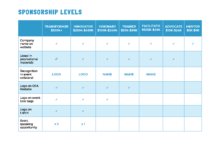
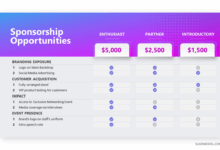
When approaching potential sponsors, personalize your pitch to demonstrate how their partnership can benefit both parties. Highlight the value they will receive from sponsoring your business and offer different sponsorship levels to accommodate their budget and needs.
- Reach out through email or phone with a concise and compelling pitch
- Offer sponsorship packages with clear benefits and ROI
- Follow up with potential sponsors to gauge interest and address any questions or concerns
Crafting a Sponsorship Proposal
When creating a sponsorship proposal for your business, it is essential to include key elements that will grab the attention of potential sponsors and showcase the benefits they will receive by partnering with you. Tailoring your proposal to different types of sponsors is crucial to increase the chances of securing sponsorship. Additionally, highlighting the benefits for sponsors in your proposal is vital to demonstrate the value they will gain from supporting your business.
Essential Elements of a Sponsorship Proposal
A sponsorship proposal should include the following key elements:
- A clear and concise introduction about your business and the sponsorship opportunity.
- Details about the target audience and demographics that the sponsor will reach by partnering with you.
- Information about the specific sponsorship packages available, including the benefits and exposure the sponsor will receive.
- Social media reach and engagement statistics to showcase the potential visibility for the sponsor.
- A compelling call-to-action that invites the sponsor to take the next steps in partnering with your business.
Tailoring Your Proposal to Different Types of Sponsors
It is important to customize your sponsorship proposal based on the type of sponsor you are targeting. For example:
- For corporate sponsors, focus on how partnering with your business can enhance their brand image and reach their target market.
- For local businesses, emphasize the community impact and local exposure they will gain by sponsoring your events or initiatives.
- For industry-specific sponsors, highlight how your business aligns with their values and target audience, creating a mutually beneficial partnership.
Showcasing Benefits for Sponsors
One of the most critical aspects of a sponsorship proposal is showcasing the benefits for sponsors. This can include:
- Increased brand visibility and exposure to your target audience.
- Opportunities for brand activation and engagement at events or through digital channels.
- Access to a new customer base and potential for increased sales and brand loyalty.
- Association with a reputable and growing business, enhancing the sponsor’s brand image.
Building a Strong Brand Partnership
Building a strong brand partnership is crucial for the success of both your business and your sponsor. By aligning your brand values with those of potential sponsors, you can create a mutually beneficial relationship that can lead to long-term success. This alignment can help in creating a cohesive marketing strategy that resonates with your target audience and drives brand loyalty.
Successful Brand Partnerships in the Business World
- Apple and Nike: The collaboration between these two iconic brands resulted in the creation of the Apple Watch Nike+, combining technology and fitness seamlessly.
- Uber and Spotify: This partnership allows Uber riders to play their own music during their rides, enhancing the overall customer experience.
- Red Bull and GoPro: By partnering with extreme sports enthusiasts, Red Bull and GoPro have created captivating content that appeals to their shared target audience.
Benefits of Long-term Partnerships versus Short-term Sponsorships
- Long-term partnerships allow for deeper integration of brand values and messaging, leading to stronger brand recognition and loyalty over time.
- Long-term partnerships provide stability and consistency in marketing efforts, which can lead to better ROI and brand growth.
- Short-term sponsorships may provide quick exposure but lack the depth and longevity that long-term partnerships offer.
- Long-term partnerships foster trust between brands and consumers, leading to lasting relationships that go beyond transactional interactions.
Negotiating Sponsorship Deals
When negotiating sponsorship deals for your business, it is essential to have a clear strategy in place to secure favorable terms and build strong partnerships. Understanding the value of your business to potential sponsors, handling objections effectively, and navigating the negotiation process are crucial aspects to consider.
Key Negotiation Strategies
- Do your research: Understand the sponsor’s goals, target audience, and previous partnerships to tailor your proposal accordingly.
- Highlight the benefits: Clearly outline the benefits and value that your business can provide to the sponsor, emphasizing the return on investment.
- Be flexible: Be open to negotiation and willing to make adjustments to meet the sponsor’s needs while still ensuring a mutually beneficial partnership.
Determining Business Value
- Evaluate your reach: Analyze your reach, engagement metrics, and audience demographics to showcase the potential exposure and impact of the sponsorship.
- Quantify the value: Use data and analytics to quantify the benefits of sponsoring your business, such as brand visibility, lead generation, or sales conversions.
- Compare market rates: Research industry standards and benchmark similar sponsorship deals to determine a fair value proposition for your business.
Handling Objections and Negotiations
- Address concerns proactively: Anticipate potential objections and prepare responses to alleviate any doubts or hesitations from the sponsor.
- Focus on win-win outcomes: Collaborate with the sponsor to find solutions that benefit both parties and contribute to a successful partnership.
- Stay professional and courteous: Maintain a positive and respectful attitude throughout the negotiation process, fostering trust and goodwill with the sponsor.
Leveraging Social Media for Sponsorship
Utilizing social media platforms is a powerful tool to attract potential sponsors for your business. By creating engaging content and showcasing your brand effectively, you can capture the attention of sponsors and build strong partnerships.
Importance of Creating Engaging Content
Creating engaging content on social media is crucial to showcase your business in a compelling way to potential sponsors. By highlighting your unique selling points, sharing impactful stories, and engaging with your audience, you can effectively communicate the value of sponsoring your business.
- Utilize high-quality visuals, such as videos and photos, to capture the attention of sponsors.
- Interact with your audience through polls, Q&A sessions, and live videos to show the human side of your brand.
- Showcase testimonials, case studies, and success stories to demonstrate the positive impact of sponsoring your business.
Examples of Successful Sponsorships Through Social Media
Many businesses have successfully secured sponsorships through their social media efforts. For example, fitness influencers partnering with sports brands, beauty influencers collaborating with skincare companies, and travel bloggers teaming up with airlines. These partnerships were formed by effectively leveraging social media to showcase the benefits of sponsorship and reach a wider audience.
By strategically using social media to create engaging content and showcase your brand, you can attract potential sponsors and establish valuable partnerships for your business.
Measuring Sponsorship ROI
When it comes to measuring the return on investment (ROI) of sponsorship deals, it is crucial to have a clear understanding of the methods and key performance indicators (KPIs) that can help track the success of sponsorships. Evaluating the impact of sponsorships on your business goals is essential to ensure that you are getting the most out of your partnerships.
Methods to Measure ROI
- Track direct sales: Monitor the increase in sales directly related to the sponsorship deal.
- Brand awareness: Measure the increase in brand visibility and recognition after the sponsorship.
- Customer engagement: Analyze the level of engagement and interaction with customers influenced by the sponsorship.
- Website traffic: Monitor the traffic to your website before, during, and after the sponsorship to see any spikes in visitors.
Key Performance Indicators (KPIs)
- ROI ratio: Calculate the ratio between the investment made in the sponsorship and the return generated.
- Brand sentiment: Measure the change in customer perception and sentiment towards your brand post-sponsorship.
- Social media metrics: Track the increase in followers, likes, shares, and comments on social media platforms due to the sponsorship.
- Lead generation: Evaluate the number of leads generated as a result of the sponsorship activities.
Importance of Evaluating Impact on Business Goals
By evaluating the impact of sponsorships on your business goals, you can determine the effectiveness of your partnerships and make informed decisions for future collaborations. Understanding the ROI of sponsorships helps in optimizing marketing strategies, enhancing brand visibility, and ultimately driving business growth.
Showcasing Sponsorship Benefits
In order to attract potential sponsors to your business, it is crucial to effectively showcase the benefits they will receive from sponsoring your brand. Highlighting the advantages of partnering with your business can make a significant impact on their decision-making process.
Ways to Showcase Sponsor Recognition and Visibility
- Logo Placement: Offer prominent placement of the sponsor’s logo on your website, event materials, or marketing collateral to increase visibility.
- Branding Opportunities: Provide opportunities for the sponsor to showcase their products/services at your events or in your marketing campaigns.
- Social Media Exposure: Feature the sponsor on your social media platforms to reach a wider audience and increase brand recognition.
Creative Integration Ideas for Business Events or Marketing Campaigns
- Customized Experiences: Create personalized experiences for sponsors, such as exclusive VIP access or branded merchandise, to enhance their involvement.
- Interactive Sponsorship: Incorporate interactive elements like gamification or live demonstrations to engage attendees and highlight the sponsor’s offerings.
- Cohesive Branding: Ensure that the sponsor’s branding is seamlessly integrated into all aspects of your events or campaigns to maximize their visibility.
Securing Sponsorship Agreements
Securing sponsorship agreements is a crucial step in solidifying a partnership between your business and a potential sponsor. This process involves outlining the terms and conditions that both parties agree to in order to ensure a successful collaboration.
Essential Components of a Sponsorship Agreement
- Scope of Partnership: Clearly define the objectives, deliverables, and expectations of both parties.
- Duration of Agreement: Specify the length of the partnership and any renewal options.
- Financial Terms: Outline the financial commitments, including sponsorship fees, payment schedules, and any additional costs.
- Rights and Obligations: Detail the rights and responsibilities of each party, including logo usage, intellectual property rights, and promotional activities.
- Termination Clause: Include conditions under which either party can terminate the agreement and the consequences of such termination.
Importance of Legal Considerations
Legal considerations are essential when drafting a sponsorship agreement to protect the interests of both parties. It is crucial to consult with legal experts to ensure that the agreement is legally binding and covers all necessary aspects to prevent any disputes or misunderstandings in the future.
Negotiating Terms and Conditions
- Understand Your Value: Highlight the unique benefits and value that your business can offer to the sponsor to negotiate favorable terms.
- Flexibility: Be open to negotiation and willing to compromise on certain aspects to reach a mutually beneficial agreement.
- Clarity: Ensure that all terms and conditions are clearly communicated and understood by both parties to avoid any misinterpretations.
- Mutual Benefits: Focus on creating a partnership that benefits both your business and the sponsor, fostering a long-lasting and successful relationship.
Maintaining Long-Term Sponsor Relationships
Maintaining long-term sponsor relationships is essential for the sustainability and growth of your business. By nurturing these partnerships beyond the initial agreement, you can continue to provide value to sponsors and ensure mutual benefits for both parties. Regular communication and updates with sponsors are key to strengthening relationships and fostering trust.
Strategies for Nurturing Long-Term Relationships
- Provide consistent value: Keep delivering on your promises and going above and beyond to exceed sponsor expectations. Show them that you are committed to their success.
- Personalize the relationship: Take the time to understand the sponsor’s goals, challenges, and preferences. Tailor your approach to meet their specific needs and preferences.
- Stay connected: Regularly check in with sponsors to provide updates on your progress, share relevant industry insights, and seek feedback on how you can further support them.
- Celebrate successes together: Acknowledge and celebrate milestones, achievements, and successes with your sponsors. This helps strengthen the bond and reinforces the value of the partnership.
Continuous Benefits for Sponsors
- Offer exclusive opportunities: Provide sponsors with unique access to events, content, or promotions that align with their brand values and target audience.
- Highlight sponsor impact: Showcase the positive outcomes and results of the sponsorship partnership, including metrics, testimonials, and success stories that demonstrate the value they have received.
- Invite feedback and collaboration: Encourage sponsors to share their input, ideas, and suggestions for how you can improve and enhance the partnership. Collaborate on new initiatives or campaigns together.
- Provide recognition and visibility: Ensure that sponsors receive proper recognition through logo placements, mentions in marketing materials, and other visibility opportunities that showcase their support.
Concluding Remarks
In conclusion, finding the right sponsor for your business requires dedication, research, and a clear understanding of your value proposition. By following the tips and strategies outlined in this guide, you’ll be well-equipped to forge strong and mutually beneficial partnerships that can elevate your business to new heights.

Content specialist focused on providing clear, accurate, and engaging information for our readers.