Find a sponsor online opens up a world of opportunities for individuals and businesses seeking support. From leveraging social media to crafting compelling proposals, this comprehensive guide dives into the strategies and tactics essential for success in the online sponsorship realm.
Tips for Finding a Sponsor Online
Finding a sponsor online can open up new opportunities for individuals and businesses looking for financial support or partnerships. Here are some tips to help you navigate the online landscape and secure sponsorship deals.


Popular Online Platforms for Sponsorships
- LinkedIn: A professional networking platform where you can connect with potential sponsors based on industry and interests.
- Instagram: Utilize the visual nature of Instagram to showcase your brand or project to attract sponsors looking to reach a larger audience.
- YouTube: Create engaging video content to demonstrate your value to potential sponsors who are interested in video marketing opportunities.
Benefits of Using Online Platforms versus Traditional Methods
- Wider Reach: Online platforms allow you to reach a global audience, increasing your chances of connecting with sponsors beyond your local network.
- Cost-Effective: Compared to traditional methods like print advertising or event sponsorships, online platforms often offer more affordable options for sponsorship opportunities.
- Engagement Tracking: Online platforms provide data analytics tools that allow you to track engagement and measure the effectiveness of your sponsorship campaigns in real-time.
Leveraging Social Media for Sponsorship Opportunities
Social media plays a crucial role in attracting potential sponsors by showcasing your brand or project in a compelling way. Utilize platforms like Facebook, Twitter, and LinkedIn to engage with your audience, build your online presence, and attract sponsors who align with your values and goals. Remember to consistently create high-quality content, engage with your followers, and leverage social media advertising to reach a wider audience and increase your chances of securing sponsorships.
Creating an Effective Sponsorship Proposal
To secure sponsorship for your event or project, it is crucial to create a compelling proposal that clearly outlines the benefits for potential sponsors. A well-crafted sponsorship proposal should include key elements that highlight the value of the partnership and the return on investment for the sponsor.
Key Elements of a Sponsorship Proposal:
- Introduction: Provide a brief overview of your event or project and establish why it is a valuable opportunity for sponsors.
- Audience Insights: Include demographic data, audience size, and engagement metrics to demonstrate the reach of your event.
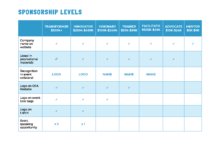
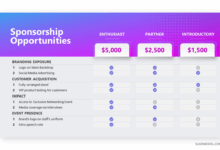
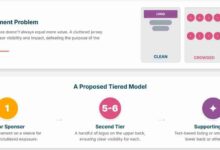
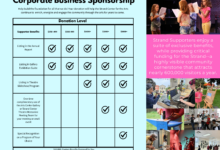
- Sponsorship Levels: Clearly define different sponsorship tiers with corresponding benefits, such as logo placement, speaking opportunities, or product placement.
- Customizable Opportunities: Offer flexibility for sponsors to tailor their involvement based on their marketing goals and budget.
- ROI Metrics: Outline how sponsors will benefit from the partnership, whether through brand exposure, lead generation, or other measurable outcomes.
- Contact Information: Provide clear contact details for further discussion and negotiation.
Examples of Successful Sponsorship Proposals:
- A music festival sponsorship proposal that includes detailed audience demographics, social media reach, and past success stories with sponsors.
- A sports event sponsorship proposal that offers exclusive branding opportunities, VIP experiences, and direct engagement with athletes.
Strategies for Tailoring a Proposal to Different Types of Sponsors:
- Research the Sponsor: Understand the sponsor’s target audience, marketing objectives, and brand values to customize your proposal accordingly.
- Highlight Relevance: Showcase how your event or project aligns with the sponsor’s industry, values, or corporate social responsibility initiatives.
- Personalize Benefits: Offer unique benefits or activation ideas that cater to the sponsor’s specific goals and preferences.
- Showcase Success Stories: Share testimonials or case studies from previous sponsors to demonstrate the value and impact of partnering with your organization.
Building an Online Presence to Attract Sponsors
Creating a strong online presence is crucial when seeking sponsorship opportunities. Sponsors are more likely to invest in individuals or organizations with a well-established and engaging online presence. Here are some essential components and tips to attract sponsors through your online platforms.
Essential Components of a Compelling Online Presence
- Professional Website: Your website should be well-designed, easy to navigate, and contain relevant information about your brand, achievements, and upcoming projects.
- Engaging Content: Regularly update your website and social media profiles with high-quality content that showcases your expertise, creativity, and unique value proposition.
- Active Social Media Presence: Maintain an active presence on popular social media platforms like Instagram, Twitter, LinkedIn, and Facebook. Engage with your audience, share updates, and create meaningful connections.
- Consistent Branding: Ensure consistency in branding across all online platforms to create a cohesive and professional image for sponsors to associate with.
- SEO Optimization: Optimize your website and social media profiles for search engines to improve visibility and reach a larger audience.
Showcasing Relevant Achievements and Engagement Metrics
To appeal to sponsors, it is essential to showcase your relevant achievements and engagement metrics effectively on your online platforms. Provide clear and concise information about your past successes, collaborations, audience demographics, and engagement rates. Utilize testimonials, case studies, and visual content to demonstrate the impact of your work and the value you can offer to potential sponsors.
Optimizing Your Website and Social Media Profiles for Sponsor Visibility
- Include a dedicated sponsorship page on your website with detailed information about sponsorship opportunities, benefits, and contact details.
- Highlight sponsor logos, testimonials, and success stories on your website to showcase your credibility and past partnerships.
- Use targeted keywords and hashtags related to your industry and sponsorship interests to attract the attention of potential sponsors searching online.
- Engage with sponsors and industry influencers on social media by tagging them in relevant posts, sharing their content, and fostering meaningful relationships.
- Regularly analyze and report on your engagement metrics, audience demographics, and reach to provide sponsors with valuable insights into the impact of their partnership with you.
Engaging with Potential Sponsors Online
When reaching out to potential sponsors online, personalized communication plays a crucial role in establishing a connection and building a solid relationship. By customizing your approach to each sponsor, you show that you value their specific interests and needs, increasing the likelihood of a positive response.
Successful sponsor relationships initiated online often involve tailored messages that highlight how your partnership can benefit the sponsor. For example, mentioning specific ways in which their brand aligns with yours or how their support can help you achieve your goals can capture their attention.
Strategies for Maintaining Long-Term Sponsor Relationships through Online Channels
- Regular Communication: Keeping in touch with sponsors through email updates, social media interactions, and virtual meetings helps maintain a strong connection.
- Deliver on Promises: Ensure that you fulfill all commitments made to sponsors and provide regular reports on the impact of their support.
- Show Appreciation: Express gratitude to sponsors for their continued support through personalized thank you messages, shoutouts on social media, or exclusive perks.
- Seek Feedback: Encourage sponsors to share their thoughts and suggestions on how the partnership can be improved or expanded, showing that their input is valued.
- Offer Value: Continuously look for ways to provide added value to sponsors, such as exclusive access to events, promotional opportunities, or collaborations that benefit both parties.
Leveraging Networking Opportunities Online
Networking online is a powerful way to connect with potential sponsors and expand your opportunities for securing partnerships. By engaging in online communities, utilizing social media platforms effectively, and participating in virtual events, you can increase your chances of finding the right sponsor for your needs.
Explore Online Communities and Forums
- Join industry-specific online communities or forums where sponsorships are commonly discussed.
- Contribute valuable insights, share your experiences, and connect with other members to build relationships.
- Look for opportunities to showcase your expertise and attract the attention of potential sponsors who are active in these online spaces.
Networking Effectively on Social Media
- Follow and engage with potential sponsors on social media platforms like LinkedIn, Twitter, and Instagram.
- Share relevant content, comment on their posts, and participate in discussions to establish a rapport.
- Direct message sponsors with personalized messages highlighting your interest in collaboration and the value you can offer.
Benefits of Attending Virtual Events
- Attend virtual conferences, webinars, and networking events to connect with sponsors in a more personal and interactive setting.
- Participate in Q&A sessions, panel discussions, and virtual meetups to showcase your expertise and engage with potential sponsors.
- Use the chat features and networking opportunities provided by virtual events to initiate conversations and follow up with sponsors.
Navigating Online Sponsorship Marketplaces
Navigating online sponsorship marketplaces can be a valuable strategy for finding sponsors for your projects or events. These platforms connect sponsors with potential opportunities, making it easier to secure partnerships. Let’s explore the different online sponsorship marketplaces available, their unique features, and the steps to create a profile on these platforms.
Comparison of Online Sponsorship Marketplaces
- SponsorMyEvent: This platform focuses on event sponsorships, offering a variety of sponsorship packages for different types of events. It allows sponsors to browse events based on their preferences and target audience.
- BrandCycle: BrandCycle connects influencers and content creators with brands for sponsorship opportunities. It offers a wide range of brands to choose from and provides detailed analytics to track performance.
- SponsorPitch: SponsorPitch is a comprehensive platform that caters to various industries and types of sponsorships. It allows users to search for sponsors, create custom pitches, and track their progress.
Pros and Cons of Using Online Marketplaces
- Pros:
- Access to a wide network of sponsors
- Streamlined process for finding and connecting with sponsors
- Opportunity to showcase your projects to a targeted audience
- Cons:
- Competition from other users on the platform
- Potential fees or charges for premium features
- Limited customization options for sponsorship proposals
Creating a Profile on an Online Sponsorship Marketplace
- Choose the right platform based on your project or event type.
- Create a compelling profile with detailed information about your project, target audience, and sponsorship opportunities.
- Add high-quality visuals and media to showcase your work effectively.
- Use keywords and tags to optimize your profile for search visibility.
- Engage with sponsors and respond promptly to inquiries or proposals.
Understanding Legal Aspects of Online Sponsorships
When it comes to online sponsorships, there are several legal considerations that both sponsors and sponsored parties need to keep in mind to ensure a smooth and successful partnership. Clear terms and conditions in online sponsorship contracts are crucial to avoid any misunderstandings or disputes down the line. Let’s delve into some common legal aspects of online sponsorships:
Importance of Clear Terms and Conditions
- Clearly outline the scope of the sponsorship agreement, including deliverables, timelines, and expectations from both parties.
- Include provisions for termination, renewal, and any potential penalties for breach of contract.
- Specify the rights and responsibilities of each party regarding intellectual property, confidentiality, and exclusivity.
Examples of Legal Issues in Online Sponsorship Arrangements
- Trademark infringement: Ensure that the sponsor’s brand is protected and that there are no conflicts with existing trademarks or copyrights.
- Disclosure requirements: Comply with regulations regarding disclosure of sponsored content to avoid any legal implications for deceptive advertising.
- Data privacy: Safeguard personal data collected during the sponsorship activities and ensure compliance with data protection laws.
Tracking and Measuring Sponsorship ROI Online
When it comes to online sponsorships, it’s crucial to track and measure the return on investment (ROI) to ensure that your efforts are successful. By identifying key performance indicators (KPIs), utilizing the right tools and platforms, and analyzing data effectively, you can optimize your sponsorship strategies for future success.
Identifying Key Performance Indicators
- Determine specific goals for your online sponsorship, such as brand awareness, lead generation, or increased sales.
- Track metrics like website traffic, social media engagement, conversion rates, and brand mentions to measure the impact of your sponsorship.
- Consider qualitative factors like audience sentiment, brand perception, and overall brand lift to gauge the success of your sponsorship.
Tools and Platforms for Tracking ROI
- Utilize Google Analytics to track website traffic, user behavior, and conversion goals related to your sponsorship.
- Use social media analytics tools like Hootsuite, Sprout Social, or Buffer to monitor engagement, reach, and sentiment around your sponsorship.
- Consider investing in sponsorship management platforms like SponsorMyEvent or SponsorPark to streamline tracking and reporting processes.
Best Practices for Data Analysis
- Regularly review and analyze the data collected from your sponsorship activities to identify trends, patterns, and areas for improvement.
- Compare performance metrics before, during, and after the sponsorship to assess the impact and effectiveness of your efforts.
- Adjust your sponsorship strategy based on data insights to optimize future partnerships and maximize ROI.
Overcoming Challenges in Finding Sponsors Online
Finding sponsors online can be a rewarding but challenging endeavor. Below are some common challenges faced when seeking sponsors online, along with strategies to overcome them and real-life experiences of successful sponsorships.
Building Credibility and Trust
One of the biggest challenges in finding sponsors online is building credibility and trust with potential sponsors. Without a well-established reputation, it can be difficult to attract sponsors willing to invest in your brand.
- Focus on creating high-quality content and engaging with your audience authentically to showcase your expertise and value.
- Collaborate with influencers or other reputable brands to leverage their credibility and reach.
- Provide testimonials or case studies from previous successful partnerships to demonstrate your track record.
Standing Out in a Crowded Market
In a saturated online space, it can be challenging to stand out and differentiate yourself from competitors when seeking sponsors.
- Develop a unique selling proposition that highlights what sets your brand apart and why sponsors should choose to partner with you.
- Create a compelling sponsorship proposal that clearly articulates the benefits and value proposition for potential sponsors.
- Utilize creative marketing strategies, such as interactive content or innovative campaigns, to capture the attention of sponsors.
Negotiating Sponsorship Deals
Negotiating sponsorship deals online can be tricky, especially when it comes to aligning expectations and ensuring a mutually beneficial partnership.
- Clearly define your goals and objectives for the sponsorship to set a solid foundation for negotiations.
- Understand the needs and preferences of potential sponsors to tailor your proposal and negotiation strategy accordingly.
- Be open to compromise and flexibility to find common ground and create a win-win situation for both parties.
Outcome Summary
In conclusion, finding a sponsor online requires a strategic approach that combines effective communication, online presence building, and networking skills. By following the tips and insights shared in this guide, you’ll be well-equipped to navigate the digital landscape and secure valuable sponsorships for your endeavors.

Content specialist focused on providing clear, accurate, and engaging information for our readers.