Sponsorship levels set the stage for this enthralling narrative, offering readers a glimpse into a story that is rich in detail and brimming with originality. In the world of sponsorships, the way organizations structure their levels can make a significant impact on their success.
Sponsorship Levels Overview
Sponsorship levels refer to the different tiers or categories that organizations offer to potential sponsors based on the level of financial commitment they are willing to make. These levels typically come with varying benefits and privileges for sponsors, depending on the amount they contribute.
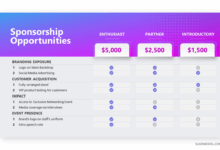
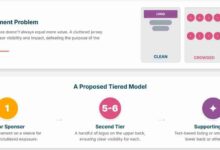

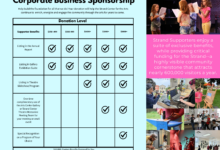


Different organizations structure their sponsorship levels in various ways, often tailoring them to suit their specific needs and objectives. Some common approaches include offering different levels of exposure, branding opportunities, VIP access, networking opportunities, and other perks based on the sponsorship tier selected by the sponsor.
Industries across the board utilize sponsorship levels to attract financial support from businesses and individuals. Some examples of industries that commonly use sponsorship levels include sports, entertainment, non-profit organizations, conferences and trade shows, and community events.
Benefits of Sponsorship Levels
Sponsorship levels offer a range of benefits for organizations looking to attract sponsors and maximize their support. By offering different tiers of sponsorship, organizations can tailor their packages to meet the diverse needs and budgets of potential sponsors. This flexibility can ultimately lead to increased revenue and stronger partnerships. Let’s explore the specific advantages of having multiple sponsorship levels.
Enhanced Customization
- With tiered sponsorship levels, organizations can offer varying degrees of visibility and promotional opportunities based on the sponsor’s investment level.
- This customization allows sponsors to choose a package that aligns with their marketing goals and budget, making the partnership more appealing and effective.
Increased Sponsorship Opportunities
- By offering multiple sponsorship levels, organizations can appeal to a wider range of potential sponsors, including small businesses, large corporations, and individuals.
- This increased accessibility can attract a larger pool of sponsors, leading to more diverse partnerships and greater overall support for the organization.
Strengthened Relationships
- Tiered sponsorship levels provide an opportunity for organizations to build stronger relationships with sponsors over time.
- By offering incremental benefits at each level, organizations can incentivize sponsors to increase their commitment and engagement, fostering long-term partnerships.
Comparative Advantage of Tiered Sponsorship Levels
- Compared to a single sponsorship tier, tiered sponsorship levels allow organizations to maximize revenue potential by accommodating sponsors with varying budgets and objectives.
- Tiered levels also provide a clear progression for sponsors to upgrade their support over time, encouraging continued investment in the organization.
Designing Effective Sponsorship Levels
When it comes to designing effective sponsorship levels, it’s crucial to create packages that are enticing to potential sponsors while also providing value to your organization. Tailoring sponsorship levels to different types of sponsors and ensuring that the packages are mutually beneficial are key strategies in securing successful partnerships.
Customizing Sponsorship Levels
- Segment your sponsors based on their needs and objectives to tailor sponsorship levels accordingly.
- Offer a range of benefits at different price points to cater to sponsors with varying budgets.
- Provide options for sponsors to customize their packages to align with their specific goals.
Creating Mutually Beneficial Packages
- Ensure that each sponsorship level offers unique opportunities and benefits that align with the sponsor’s marketing objectives.
- Focus on building long-term relationships by delivering value beyond just logo placement or brand visibility.
- Seek feedback from sponsors to continuously improve and adapt your sponsorship levels to meet their evolving needs.
Customizing Sponsorship Levels
When it comes to customizing sponsorship levels, organizations have the flexibility to tailor packages to suit the specific needs and preferences of individual sponsors. This customization allows for a more personalized approach, enhancing the sponsor’s experience and maximizing the benefits for both parties involved.
Personalized Sponsorship Packages
Examples of personalized sponsorship packages may include:
- Exclusive branding opportunities at events
- Customized content creation or co-branded campaigns
- Access to VIP experiences or networking events
- Tailored marketing and advertising options
Role of Flexibility
Flexibility plays a crucial role in customizing sponsorship levels as it allows organizations to adapt to the unique needs and preferences of sponsors. By being flexible, organizations can create bespoke packages that align with the sponsor’s objectives and provide maximum value. This approach fosters stronger relationships with sponsors and enhances the overall success of the partnership.
Setting Sponsorship Level Criteria
When setting sponsorship levels, organizations must consider key criteria to ensure a successful partnership with sponsors. This involves determining the requirements for each level and aligning them with sponsor expectations.
Key Criteria for Setting Sponsorship Levels
- Target Audience: Consider the target audience of the event or organization and how sponsors can benefit from reaching this specific demographic.
- Benefits Offered: Define the benefits and perks associated with each sponsorship level to attract sponsors and provide value in return.
- Budget and Resources: Evaluate the financial resources available for sponsorship and the level of support sponsors can expect in return.
- Brand Alignment: Ensure that sponsors align with the values, mission, and brand image of the organization to maintain credibility and relevance.
- Measurable Goals: Establish clear, measurable goals for each sponsorship level to track performance and demonstrate ROI to sponsors.
Best Practices for Determining Sponsorship Level Requirements
- Customization: Tailor sponsorship packages to meet the specific needs and goals of individual sponsors for a more personalized approach.
- Flexibility: Offer flexibility in sponsorship options to accommodate varying budgets and objectives of potential sponsors.
- Transparency: Clearly communicate the benefits, expectations, and deliverables associated with each sponsorship level to avoid misunderstandings.
- Evaluation: Regularly evaluate and adjust sponsorship levels based on feedback, performance metrics, and changing market trends.
Importance of Aligning Sponsorship Levels with Sponsor Expectations
- Enhanced Engagement: Aligning sponsorship levels with sponsor expectations leads to increased engagement and satisfaction, fostering long-term partnerships.
- Maximized Value: Meeting sponsor expectations ensures that sponsors receive the desired value and benefits from their investment in the partnership.
- Positive Reputation: By delivering on promises and exceeding sponsor expectations, organizations build a positive reputation in the sponsorship community.
Sponsorship Level Tiers
When it comes to sponsorship levels, organizations often utilize tiered structures to offer varying benefits and recognition to their sponsors. These tiers typically range from gold, silver, bronze, and sometimes include additional levels to cater to different budget sizes and sponsorship objectives.
Features of Different Sponsorship Tiers
- Gold Tier: Typically the highest level, offering maximum exposure, exclusive perks, and prominent branding opportunities at events.
- Silver Tier: Provides a step down from gold with slightly fewer benefits but still significant visibility and recognition.
- Bronze Tier: Entry-level sponsorship with basic benefits such as logo placement, exhibit space, and verbal acknowledgments.
Comparison of Tiered Systems
- Gold Level: Reserved for top-tier sponsors with the most comprehensive benefits and exclusive opportunities for engagement.
- Silver Level: Appeals to mid-level sponsors looking for a balance between benefits and affordability.
- Bronze Level: Attracts smaller businesses or organizations seeking basic exposure and networking opportunities.
Successful Sponsorship Tier Structures in Various Industries
Examples of effective tiered sponsorship structures can be seen across industries, such as:
| Industry | Sponsorship Tiers | Features |
|---|---|---|
| Sports Events | Platinum, Gold, Silver, Bronze | Exclusive branding, VIP experiences, athlete meet-and-greets |
| Tech Conferences | Diamond, Platinum, Gold | Speaking opportunities, demo showcases, product launches |
| Nonprofit Galas | Diamond, Crystal, Sapphire | Philanthropy awards, charity auction participation, press coverage |
Sponsorship Level Packages
Creating attractive sponsorship packages is essential for organizations to entice sponsors to invest in their events or initiatives. These packages typically include a range of benefits and opportunities tailored to different sponsorship levels, offering sponsors varying degrees of visibility and engagement.
Typical Sponsorship Packages Include
- Logo placement on event materials and website
- Recognition in press releases and social media posts
- Complimentary tickets or VIP access to events
- Opportunity to speak at or host a session during the event
- Branding opportunities such as sponsored booths or sessions
Creating Attractive Sponsorship Packages
- Understand sponsor objectives and tailor packages to meet their goals
- Offer unique and exclusive opportunities for higher-level sponsors
- Include a mix of tangible and intangible benefits to appeal to a wide range of sponsors
- Provide clear ROI metrics to demonstrate the value of each package
Pricing Strategies for Sponsorship Packages
- Research market rates and competitor pricing to ensure packages are competitive
- Consider the overall event budget and the value of benefits offered in each package
- Offer discounts for early bird or multi-year commitments
- Allow for customization and flexibility in package pricing to accommodate sponsor needs
Measuring Sponsorship Level ROI
When it comes to measuring the return on investment for different sponsorship levels, organizations need to have a strategic approach in place to evaluate the success of their sponsorship efforts. By tracking key metrics and utilizing specific tools, businesses can gain valuable insights to improve their future sponsorship strategies.
Key Metrics for Evaluating Sponsorship Levels
- Brand Awareness: Measure the increase in brand visibility and recognition among the target audience as a result of the sponsorship.
- Lead Generation: Track the number of leads generated through the sponsorship activities and evaluate the quality of these leads.
- Engagement: Monitor the level of engagement with the sponsored events or content to gauge the interest and interaction of the audience.
- Revenue Impact: Assess the direct and indirect impact of the sponsorship on revenue generation for the organization.
Tools for Measuring Sponsorship ROI
- Social Media Analytics: Utilize social media monitoring tools to track mentions, reach, and engagement related to the sponsorship.
- Website Traffic Analysis: Use website analytics tools to measure the increase in traffic and conversions driven by the sponsorship activities.
- Surveys and Feedback: Gather feedback from participants, attendees, and partners to understand the perceived value and impact of the sponsorship.
Importance of Tracking ROI for Sponsorship Strategies
By measuring the ROI of sponsorship levels, organizations can make data-driven decisions to optimize their investments and maximize the impact of their sponsorships. Tracking ROI helps in identifying successful strategies, areas for improvement, and ultimately leads to more effective sponsorship partnerships in the future.
Sponsorship Level Negotiation
Negotiating sponsorship levels with potential sponsors is a crucial aspect of securing partnerships that benefit both parties. It requires effective communication, strategic planning, and a focus on creating mutually beneficial agreements.
When negotiating sponsorship levels, it is important to understand the needs and goals of both the organization seeking sponsorship and the potential sponsor. By aligning these interests, you can develop sponsorship packages that provide value to the sponsor while also meeting the objectives of the organization.
Tips for Successful Sponsorship Level Negotiation
- Do Your Research: Understand the sponsor’s target audience, marketing goals, and budget constraints before proposing a sponsorship package.
- Focus on Value: Clearly outline the benefits the sponsor will receive in return for their investment, emphasizing how it aligns with their objectives.
- Be Flexible: Be open to adjusting the sponsorship package to accommodate the sponsor’s needs and preferences, while still ensuring it meets your organization’s goals.
- Build Relationships: Establishing a strong rapport with potential sponsors can lead to more successful negotiations and long-term partnerships.
Overcoming Challenges in Sponsorship Level Negotiations
- Price Negotiation: Finding a balance between the sponsor’s budget and the value of the sponsorship package can be challenging. Consider offering a range of options to accommodate different budgets.
- Clarity in Expectations: Clearly defining the deliverables and benefits included in the sponsorship package can prevent misunderstandings and disagreements later on.
- Competing Priorities: Sponsors may have multiple partnership opportunities, so it’s essential to demonstrate why your organization is the best fit for their marketing objectives.
Strategies for Creating Win-Win Agreements
- Customization: Tailor sponsorship packages to meet the specific needs and goals of each sponsor, providing a unique value proposition.
- Long-term Value: Focus on building lasting relationships with sponsors by delivering on promises, providing excellent service, and seeking opportunities for continued collaboration.
- Evaluation and Feedback: Regularly review the success of sponsorship agreements, gather feedback from sponsors, and make adjustments to enhance future partnerships.
Evolving Sponsorship Levels
The landscape of sponsorship levels has evolved significantly over time with the changing dynamics of the business world. As companies seek more innovative ways to engage with their target audience and stand out from competitors, sponsorship strategies have adapted to meet these evolving needs.
Shift Towards Customization
In recent years, there has been a noticeable shift towards more customized sponsorship levels tailored to the specific goals and objectives of both the sponsor and the recipient. This customization allows for a more strategic approach to partnerships, ensuring that each party can maximize the benefits of the collaboration.
- Sponsors are now looking for more personalized opportunities to connect with their target audience, leading to the development of unique sponsorship packages that align with their brand values and marketing objectives.
- Recipient organizations, on the other hand, are recognizing the importance of offering flexible sponsorship options that cater to the diverse needs of potential sponsors, ultimately creating more mutually beneficial partnerships.
- This trend towards customization is expected to continue as companies place a greater emphasis on creating meaningful and impactful sponsorships that deliver measurable results.
Integration of Digital Platforms
Another significant trend in the evolution of sponsorship levels is the increasing integration of digital platforms into sponsorship strategies. With the rise of social media and online marketing channels, sponsors are looking for opportunities to extend their reach and engagement beyond traditional sponsorship benefits.
- Sponsorship packages now often include digital marketing components such as social media promotions, online advertisements, and content collaborations to enhance the visibility of sponsors and create more interactive experiences for their target audience.
- By leveraging digital platforms, sponsors can track and measure the impact of their sponsorships more effectively, allowing for greater transparency and accountability in the partnership.
- This integration of digital elements is expected to become even more prevalent in the future as companies continue to prioritize digital marketing strategies in their overall sponsorship initiatives.
Rise of Cause-Related Sponsorships
In recent years, there has been a noticeable increase in cause-related sponsorships where companies align their brand with social or environmental causes to create a positive impact on society. This trend reflects a shift towards more purpose-driven partnerships that go beyond traditional marketing objectives.
- Companies are increasingly seeking opportunities to support causes that resonate with their target audience and reflect their brand values, leading to the rise of cause-related sponsorship levels that focus on creating social impact alongside business benefits.
- These partnerships not only enhance brand reputation and consumer loyalty but also drive meaningful change in communities, positioning companies as responsible corporate citizens.
- The future of sponsorship levels is likely to see a continued emphasis on cause-related sponsorships as companies prioritize social responsibility and sustainability in their sponsorship strategies.
Ending Remarks
In conclusion, understanding the intricacies of sponsorship levels is crucial for organizations looking to attract and retain sponsors effectively. By customizing, designing, and measuring these levels strategically, businesses can achieve remarkable results in their sponsorship endeavors.

Content specialist focused on providing clear, accurate, and engaging information for our readers.