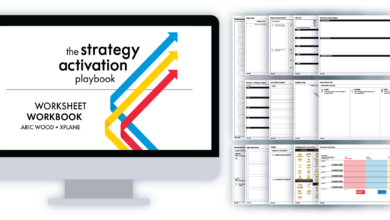
Sponsorship decks play a crucial role in securing partnerships by showcasing the value and potential of your brand or event. Crafting an impressive sponsorship deck requires attention to detail and a strategic approach to capture the interest of potential sponsors.
As we delve into the intricacies of sponsorship decks, we will explore key elements, design tips, content structure, visual elements, data integration, industry-specific considerations, and more to help you create a compelling presentation that drives successful sponsorships.




Introduction to Sponsorship Decks
A sponsorship deck is a presentation or document created by individuals or organizations seeking sponsorship for an event, project, or initiative. It serves as a tool to showcase the value and benefits of a partnership to potential sponsors.
Key Elements of a Sponsorship Deck
Typically, a sponsorship deck includes the following key elements:
- An overview of the event, project, or initiative seeking sponsorship.
- Information about the target audience or attendees.
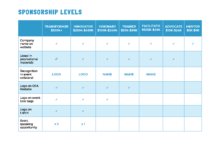
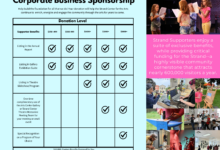
- Sponsorship packages detailing the benefits and exposure sponsors will receive.
- Social media reach and engagement statistics.
- Previous successful partnerships or case studies.
Role of a Sponsorship Deck
A sponsorship deck plays a crucial role in showcasing a brand or event to potential sponsors by highlighting the unique selling points, audience demographics, and the potential return on investment for sponsors. It helps sponsors understand how their partnership can contribute to their marketing goals and objectives.
Crafting a Compelling Sponsorship Deck
When designing a sponsorship deck, it is crucial to create a visually appealing and professional presentation that captures the attention of potential sponsors. A well-crafted sponsorship deck can make a lasting impression and effectively communicate the value of the partnership.
Designing an Eye-Catching Sponsorship Deck
Before diving into the content, consider the overall design of your sponsorship deck. Use high-quality images, consistent branding elements, and a clean layout to create a polished and professional look. Incorporate engaging visuals and graphics to enhance the visual appeal and make the deck more memorable.
- Include a compelling cover page with a strong visual impact to grab the sponsor’s attention from the start.
- Use clear and concise language to communicate key messages and benefits effectively.
- Organize the information in a logical sequence to guide the sponsor through the deck seamlessly.
- Ensure that the deck is easy to navigate and visually appealing to maintain the sponsor’s interest.
Tailoring the Sponsorship Deck to the Target Sponsor
Personalizing your sponsorship deck to the specific needs and interests of the target sponsor is essential for maximizing its effectiveness. Research the sponsor’s background, values, and objectives to tailor the content accordingly and demonstrate how the partnership aligns with their goals.
- Highlight specific benefits and opportunities that are relevant to the sponsor’s target audience or industry.
- Showcase past successful collaborations or case studies to illustrate the potential impact of the partnership.
- Add a personalized touch by addressing the sponsor directly and showing genuine interest in building a meaningful partnership.
Examples of Successful Sponsorship Decks
Examining successful sponsorship decks can provide valuable insights into what makes them effective and engaging for potential sponsors. Here are a few examples of elements that contribute to the success of sponsorship decks:
“Incorporating compelling storytelling to create an emotional connection with the sponsor.”
| Example 1 | Example 2 | Example 3 |
|---|---|---|
| Utilizing impactful visuals and infographics to convey key messages. | Including testimonials or quotes from previous sponsors to build credibility. | Offering various sponsorship levels with clear benefits and pricing options. |
Content Structure of a Sponsorship Deck
When crafting a sponsorship deck, it is crucial to include specific sections to effectively communicate the value proposition to potential sponsors. This involves a strategic balance between text, visuals, and data to capture the sponsor’s attention and showcase the benefits of partnership. Let’s delve into the recommended sections and how to effectively present the value proposition in a sponsorship deck.
Recommended Sections in a Sponsorship Deck
- Introduction: Provide a brief overview of your organization and the event or project seeking sponsorship.
- Objectives: Clearly outline the goals and objectives of the sponsorship opportunity.
- Audience Profile: Describe the target audience demographics and psychographics to help sponsors understand who they will be reaching.
- Sponsorship Packages: Present various sponsorship tiers with detailed benefits and opportunities for sponsors.
- Previous Success Stories: Highlight past successful partnerships and the impact they had on the organization or event.
- Call to Action: Clearly state the next steps for interested sponsors to get involved.
Communicating the Value Proposition
When communicating the value proposition in a sponsorship deck, it is essential to focus on the benefits and unique opportunities that sponsors will gain from the partnership. Use compelling language and visuals to showcase how the sponsorship aligns with the sponsor’s marketing objectives and how it can help them achieve their goals.
Balance Between Text, Visuals, and Data
It is important to strike a balance between text, visuals, and data in a sponsorship deck to keep the content engaging and informative. Use visuals such as infographics, charts, and images to convey key information quickly and effectively. Incorporate data and statistics to support your claims and demonstrate the potential return on investment for sponsors. However, avoid overwhelming the deck with excessive text or data, as it may deter sponsors from fully engaging with the content.
Visual Elements in Sponsorship Decks
Images, graphics, and branding play a crucial role in enhancing a sponsorship deck by making it visually appealing and engaging for the audience. The use of color schemes, fonts, and consistency in visual elements throughout the deck can significantly impact the overall effectiveness of the presentation.
Role of Images, Graphics, and Branding
Visual elements such as images and graphics help to break up text-heavy slides, capture the audience’s attention, and convey information more effectively. Including your company’s branding in the sponsorship deck helps to create a sense of identity and professionalism. It is essential to choose high-quality images and graphics that align with the overall theme and message of the deck.
Using Color Schemes and Fonts
Color schemes and fonts play a vital role in setting the tone and visual appeal of the sponsorship deck. It is crucial to select colors that complement each other and reflect the brand’s personality. Consistency in color usage throughout the deck helps in creating a cohesive and visually appealing presentation. Similarly, choosing appropriate fonts that are easy to read and align with the brand’s style is essential for maintaining a professional look.
Importance of Consistency in Visual Elements
Consistency in visual elements, such as color schemes, fonts, and branding, is key to creating a cohesive and polished sponsorship deck. It helps in establishing a strong brand identity, building credibility with the audience, and ensuring a smooth flow of information throughout the presentation. By maintaining consistency in visual elements, you can create a more memorable and impactful experience for the sponsors and potential partners.
Data and Analytics in Sponsorship Decks
Incorporating data and analytics into a sponsorship proposal is crucial for providing evidence-based insights and demonstrating the potential impact of the partnership. By leveraging metrics and key performance indicators (KPIs), sponsorship decks can effectively showcase the value and return on investment for potential sponsors. Data visualization techniques play a significant role in presenting complex information in a clear and engaging manner, enhancing the overall appeal and persuasiveness of the sponsorship deck.
Metrics and Key Performance Indicators (KPIs)
Metrics and KPIs serve as quantifiable measures to track and evaluate the performance and success of a sponsorship opportunity. Including relevant data points such as reach, engagement, conversion rates, brand exposure, and social media impressions can help sponsors understand the reach and impact of their investment. By aligning these metrics with the sponsor’s objectives and goals, a sponsorship deck can provide a compelling case for partnership.
Data Visualization Techniques
Utilizing data visualization techniques can transform complex data sets into visually appealing graphics that are easily digestible for sponsors. Examples of effective data visualization methods include charts, graphs, infographics, and heat maps. These visual elements not only enhance the presentation of data but also help in highlighting trends, patterns, and insights that support the sponsorship proposal. By incorporating visually compelling graphics, sponsorship decks can effectively capture the attention of sponsors and convey information in a more engaging and impactful way.
Tailoring Sponsorship Decks for Different Industries
When creating sponsorship decks, it is crucial to tailor the content according to the specific industry or type of event you are targeting. Understanding the nuances and preferences of different sectors can significantly impact the success of your sponsorship pitch. Here, we will explore how sponsorship decks may vary based on the industry or type of event, providing specific considerations for sports, arts, technology, and other sectors.
Sports Industry
In the sports industry, sponsorship decks should highlight the high-energy and competitive nature of sports events. Consider including statistics on viewership, audience demographics, and engagement levels to showcase the potential reach and impact of sponsoring a sports event. Emphasize the emotional connection that fans have with their favorite teams or athletes, and how sponsors can leverage this passion to enhance brand visibility.
Arts and Entertainment
For arts and entertainment events, focus on the creative and cultural aspects that appeal to a sophisticated audience. Highlight the unique experiences that sponsors can offer attendees, such as exclusive behind-the-scenes access or VIP perks. Showcase the artistic vision and talent involved in the event, and how sponsors can align their brand with creativity and innovation.
Technology Sector
In the technology sector, emphasize the cutting-edge innovations and advancements that define the industry. Showcase how sponsoring a tech event can position a brand as a leader in innovation and technology. Highlight opportunities for networking with industry professionals, showcasing products or services, and gaining visibility among tech-savvy audiences.
Other Sectors
When creating sponsorship decks for other sectors, such as healthcare, finance, or fashion, tailor the content to reflect the specific interests and priorities of each industry. Highlight how sponsoring an event in these sectors can help achieve business objectives, reach target audiences, and enhance brand reputation within the industry.
Remember, when designing a sponsorship deck, it is essential to understand the target sponsor’s industry to create a compelling and relevant pitch that resonates with their goals and values.
Call-to-Action and Next Steps in Sponsorship Decks
A clear call-to-action is crucial in a sponsorship deck as it guides potential sponsors towards the desired response or next steps. It helps to direct their attention to specific actions they need to take after reviewing the deck, increasing the chances of a successful partnership. Crafting compelling closing statements further reinforces this call-to-action and leaves a lasting impression on the sponsors.
Importance of a Clear Call-to-Action
- A clear call-to-action prompts sponsors to take immediate action, whether it’s contacting the team for more information, scheduling a meeting, or committing to a sponsorship deal.
- It provides a sense of direction and purpose, ensuring that sponsors understand what is expected of them and how to proceed if they are interested in the partnership.
- Without a clear call-to-action, sponsors may be unsure about the next steps, leading to missed opportunities and potential confusion.
Guiding Potential Sponsors towards the Desired Response
- Use actionable language in your call-to-action, such as “Contact us today to discuss sponsorship opportunities” or “Visit our website to learn more and get involved.”
- Include contact information and relevant links to make it easy for sponsors to reach out or explore further.
- Emphasize the benefits of partnering with your organization and highlight the value they will receive by sponsoring your events or initiatives.
Best Practices for Creating Compelling Closing Statements
- Summarize the key points of your sponsorship deck and reiterate the benefits of sponsorship in a concise and impactful manner.
- Express gratitude for their time and consideration, showing appreciation for their interest in potentially partnering with your organization.
- Encourage sponsors to take action by providing a clear call-to-action that is easy to follow and prompts them to reach out or make a decision.
Case Studies and Success Stories in Sponsorship Decks
When it comes to showcasing the effectiveness of sponsorship decks, nothing speaks louder than real-life success stories and case studies. By analyzing specific examples, we can understand the impact of well-crafted sponsorship decks on securing valuable partnerships.
Example 1: Sports Event Sponsorship
In a case study involving a major sports event, a well-designed sponsorship deck highlighted the unique branding opportunities and audience reach offered to potential sponsors. By showcasing previous successful partnerships and the visibility achieved through various marketing channels, the event organizers were able to secure top-tier sponsors and exceed their sponsorship revenue goals.
Example 2: Non-Profit Fundraising Campaign
For a non-profit organization looking to raise funds for a specific cause, incorporating testimonials and success stories in their sponsorship deck proved to be a game-changer. By sharing compelling stories of impact and demonstrating how previous sponsors had made a difference, the organization was able to attract new sponsors who were inspired by the tangible results showcased in the deck.
Example 3: Tech Conference Sponsorship
In the competitive tech industry, a well-documented sponsorship deck for a conference highlighted the innovative networking opportunities and thought leadership positioning available to sponsors. By including success metrics from previous conferences and testimonials from industry leaders who had benefited from sponsorship, the conference organizers were able to secure partnerships with leading tech companies looking to enhance their brand visibility.
Interactive Elements and Multimedia in Sponsorship Decks
Interactive elements and multimedia content can greatly enhance the effectiveness of a sponsorship deck by captivating the audience and providing a more engaging experience. Incorporating videos, animations, or clickable elements can help potential sponsors better understand your message and make a lasting impression. Here are some tips for integrating interactive elements seamlessly into a sponsorship deck:
Benefits of Multimedia Content in Sponsorship Decks
- Enhanced Engagement: Multimedia content can capture the attention of potential sponsors and keep them interested throughout the presentation.
- Visual Appeal: Videos and animations can help convey complex ideas in a more visually appealing way, making it easier for sponsors to understand your proposal.
- Storytelling: Multimedia content allows you to tell a compelling story that resonates with sponsors on an emotional level, making your pitch more memorable.
- Increased Retention: Studies have shown that people retain information better when it is presented in a multimedia format, leading to a higher likelihood of sponsorship conversion.
Tips for Integrating Interactive Elements
- Keep it Relevant: Ensure that the multimedia content you include aligns with your sponsorship goals and enhances the overall message you are trying to convey.
- Seamless Integration: Integrate interactive elements in a way that flows naturally with the rest of the deck, avoiding any disruptions in the presentation.
- Quality Matters: Invest in high-quality multimedia content to maintain a professional image and leave a positive impression on potential sponsors.
- Call-to-Action: Use interactive elements strategically to guide sponsors towards taking the desired action, whether it’s contacting you for more information or signing a sponsorship agreement.
Updates and Maintenance of Sponsorship Decks
Maintaining a sponsorship deck is crucial to ensure that it remains relevant, impactful, and aligned with the goals of your organization. Regular updates and maintenance are essential to keep the content fresh and engaging for potential sponsors.
Strategies for Keeping Sponsorship Decks Updated
- Set a schedule for regular reviews: Establish a timeline for updating your sponsorship deck at least once a quarter or whenever there are significant changes in your organization or offerings.
- Collect feedback: Gather input from team members, stakeholders, and previous sponsors to identify areas for improvement and updates in your sponsorship deck.
- Stay informed: Keep abreast of industry trends, competitor activities, and changes in the market to ensure that your sponsorship deck reflects current information and remains competitive.
- Utilize analytics: Use data and analytics to track the performance of your sponsorship deck, identify areas of strength and weakness, and make data-driven decisions for updates.
Importance of Regularly Reviewing and Refining a Sponsorship Deck
Regularly reviewing and refining your sponsorship deck is essential to maintain its effectiveness and relevance. By keeping the content up-to-date, you can ensure that potential sponsors are presented with accurate and compelling information that resonates with their needs and interests.
Best Practices for Maintaining a Dynamic and Impactful Sponsorship Deck Over Time
- Focus on storytelling: Craft a narrative that showcases your organization’s values, achievements, and impact to create an emotional connection with potential sponsors.
- Update visuals: Refresh the design elements, images, and graphics in your sponsorship deck to keep it visually appealing and engaging for the audience.
- Personalize content: Tailor the messaging and offerings in your sponsorship deck to match the specific needs and preferences of each potential sponsor, demonstrating a personalized approach.
- Seek feedback: Continuously gather feedback from sponsors, partners, and stakeholders to identify areas for improvement and enhancement in your sponsorship deck.
Final Summary
In conclusion, a well-crafted sponsorship deck can be the key to unlocking valuable partnerships and opportunities for your brand or event. By following best practices, tailoring your approach to different industries, and incorporating interactive elements, you can elevate your sponsorship deck to new heights of effectiveness and engagement.

Content specialist focused on providing clear, accurate, and engaging information for our readers.