A sponsorship proposal is a crucial tool for securing partnerships. This proposal delves into key components, target audience analysis, brand alignment, benefits for sponsors, and much more to create compelling partnership opportunities.
Overview of Sponsorship Proposal
A sponsorship proposal is a formal document that outlines a partnership opportunity between a company or individual seeking sponsorship and a potential sponsor. The main purpose of a sponsorship proposal is to present a compelling case for why the sponsor should invest in the partnership, highlighting the benefits and value that the sponsor would gain from the collaboration.


Key Components of a Sponsorship Proposal
- An introduction detailing the purpose and goals of the partnership
- Information about the event, project, or initiative seeking sponsorship
- Details on the target audience and reach of the sponsorship opportunity
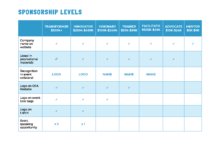
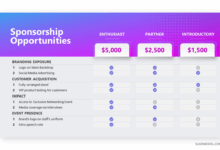
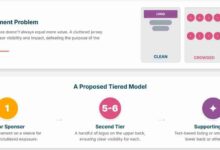
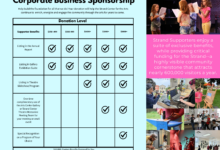
- Sponsorship packages outlining different levels of sponsorship and associated benefits
- Marketing and promotional opportunities for the sponsor
- Information on previous successful partnerships or case studies
Importance of a Well-Crafted Sponsorship Proposal
A well-crafted sponsorship proposal is crucial for securing partnerships as it serves as the first impression and sales pitch to potential sponsors. It allows the sponsor to understand the value they would receive from the partnership and how it aligns with their marketing objectives. A comprehensive proposal can help build trust, credibility, and confidence in the partnership, increasing the chances of securing the sponsorship.
Target Audience Analysis
Understanding the target audience is crucial when creating a sponsorship proposal as it allows for a tailored approach that resonates with the specific group of individuals you are trying to reach. By knowing the demographics, interests, and behaviors of your target audience, you can craft a proposal that effectively communicates the value of the sponsorship opportunity.
Demographic Information
- Age: Knowing the age range of your target audience can help determine the tone and messaging of your proposal. For example, a proposal targeting young adults may use more informal language and modern references.
- Gender: Understanding the gender distribution can influence the visuals and content of the proposal. A sponsorship proposal targeting a predominantly female audience may focus on themes and topics that appeal to women.
- Income Level: The income level of your target audience can impact the pricing and benefits offered in the sponsorship package. Tailoring the proposal to align with the financial capacity of the audience can increase the likelihood of engagement.
Psychographic Information
- Interests: Knowing the hobbies, interests, and values of your target audience can help tailor the sponsorship proposal to include relevant benefits and opportunities that resonate with their passions.
- Lifestyle: Understanding the lifestyle choices and preferences of the audience can guide the selection of sponsorship activation strategies that align with their daily routines and habits.
- Behavior: Analyzing the behavior patterns, such as online engagement, purchasing habits, and social media usage, can inform the distribution channels and promotional tactics included in the proposal.
Brand Alignment and Objectives
Aligning a sponsor’s brand with the event or organization seeking sponsorship is crucial for creating a mutually beneficial partnership. By ensuring that the sponsor’s values, target audience, and overall brand image resonate with the event or organization, both parties can leverage each other’s strengths to achieve their goals effectively.
Setting clear objectives is equally important in crafting a compelling sponsorship proposal. These objectives serve as a roadmap for both the sponsor and the event organizers, outlining what they aim to achieve through the partnership. Whether it’s increasing brand visibility, driving sales, or supporting a cause, having well-defined objectives helps align efforts and measure the success of the sponsorship.
Successful Brand Partnerships through Sponsorship Proposals
- Red Bull and Extreme Sports Events: Red Bull’s association with extreme sports events has been a successful brand partnership. The energy drink company’s adventurous and daring image aligns perfectly with the adrenaline-fueled world of extreme sports, making it a natural fit for sponsorship.
- Nike and Major Sporting Events: Nike’s sponsorship of major sporting events like the Olympics and FIFA World Cup has helped the brand establish itself as a leader in the sports industry. By aligning with prestigious events that attract global attention, Nike has been able to showcase its products to a wide audience and strengthen its brand image.
- Coca-Cola and Music Festivals: Coca-Cola’s sponsorship of music festivals around the world has enabled the brand to connect with younger audiences and position itself as a supporter of music and creativity. By associating with popular music events, Coca-Cola has been able to engage with music lovers and create memorable brand experiences.
Benefits for Sponsors
When considering a partnership with our organization, sponsors can expect to gain a wide range of benefits that can enhance their brand visibility, reputation, and reach. These benefits can be categorized into tangible and intangible advantages, each offering unique value to sponsors.
Tangible Benefits
- Increased brand exposure through logo placement, mentions in promotional materials, and social media shoutouts.
- Opportunities for product placement or demonstrations at events, reaching a targeted audience.
- Access to valuable data and insights on consumer behavior and preferences gathered during events or campaigns.
- Exclusive rights to sponsor-specific activities or areas, ensuring maximum visibility and recognition.
Intangible Benefits
- Enhanced brand reputation through association with a reputable and well-established organization.
- Building strong relationships with customers and potential clients by showcasing a commitment to community engagement.
- Boosting employee morale and engagement through participation in meaningful sponsorship activities.
- Positioning the brand as a thought leader in the industry by aligning with innovative and impactful projects.
To effectively highlight these benefits in a sponsorship proposal, it is crucial to clearly outline the specific advantages that sponsors can expect to receive. Providing examples of successful past partnerships, showcasing relevant data on audience demographics and engagement levels, and emphasizing the unique opportunities for brand exposure and recognition can help sponsors understand the value of the collaboration. Additionally, clearly defining the goals and objectives of the partnership and demonstrating how the sponsor’s brand will be integrated into various marketing channels can further illustrate the potential benefits of the sponsorship.
Sponsorship Levels and Packages
In order to cater to a variety of sponsor needs and budgets, we have carefully crafted different sponsorship levels and packages that offer a range of benefits and opportunities for exposure.
Standard Sponsorship Package
- Logo placement on event promotional materials
- Verbal recognition during event speeches
- Social media shoutouts before and after the event
- Complimentary tickets to the event
Gold Sponsorship Package
- All benefits included in the Standard Package
- Exclusive branding opportunities at the event venue
- Opportunity to host a branded booth at the event
- Special mention in press releases and media coverage
Platinum Sponsorship Package
- All benefits included in the Gold Package
- Personalized sponsorship opportunities tailored to the sponsor’s specific goals
- Featured sponsor spotlight in event marketing campaigns
- Customized promotional materials featuring the sponsor’s branding
Budget and Pricing Strategies
When it comes to determining the right pricing for sponsorship packages, it is essential to consider various factors such as the reach of the event, the level of exposure sponsors will receive, and the overall value they will gain from the partnership. Pricing should be competitive yet reflective of the benefits offered to sponsors.
Setting the Pricing
- Research similar sponsorship opportunities in the market to gauge pricing trends and competitive rates.
- Consider the audience demographics and the potential impact of the event on sponsors’ brand visibility.
- Factor in the costs associated with providing sponsor benefits and ensure pricing covers these expenses.
- Be flexible in customizing packages to meet the specific needs and objectives of potential sponsors.
Importance of Budget Outline
Outlining a clear budget in the proposal is crucial to demonstrate transparency and professionalism to potential sponsors. It shows that you have carefully thought out the financial aspects of the partnership and are committed to delivering value for their investment.
Negotiating Pricing
- Highlight the unique value proposition of the sponsorship opportunity to justify the pricing structure.
- Listen to the sponsor’s needs and objectives to tailor the package and pricing accordingly.
- Offer incentives or additional benefits to sweeten the deal and make it more appealing to sponsors.
- Be prepared to negotiate and find a middle ground that satisfies both parties.
Evaluation Metrics and ROI
Measuring the success of a sponsorship partnership is crucial for both the sponsor and the sponsored organization. By identifying key metrics and calculating the return on investment (ROI), both parties can evaluate the effectiveness of the collaboration and make informed decisions for future partnerships.
Key Metrics for Success
- Brand Exposure: Track the visibility and reach of the sponsor’s brand before, during, and after the sponsorship period.
- Lead Generation: Measure the number of leads generated as a result of the sponsorship activation.
- Social Media Engagement: Monitor the engagement levels on social media platforms related to the sponsorship.
- Customer Acquisition: Evaluate the increase in new customers attributed to the sponsorship.
Calculating ROI for Sponsors
- Determine the total cost of the sponsorship, including all expenses incurred.
- Calculate the revenue or value generated as a direct result of the sponsorship.
- Subtract the total cost from the revenue generated to get the ROI.
- ROI = (Revenue Generated – Total Cost) / Total Cost * 100
Importance of Evaluation Metrics
Including evaluation metrics in the sponsorship proposal allows sponsors to assess the impact of their investment and make data-driven decisions. It also provides the sponsored organization with valuable insights to improve future partnerships and maximize ROI.
Creative Presentation Ideas
When it comes to presenting a sponsorship proposal, creativity is key to capturing the attention of potential sponsors. Utilizing visual elements and multimedia can help make your proposal stand out and leave a lasting impression. Here are some innovative ideas to enhance your presentation:
Interactive Digital Brochure
Creating an interactive digital brochure can engage sponsors in a more dynamic way. Include videos, animations, and interactive elements to showcase your proposal in an engaging and visually appealing format.
Virtual Reality Experience
Offer sponsors a virtual reality experience that allows them to immerse themselves in your brand and event. This unique approach can leave a lasting impact and set your proposal apart from the competition.
Infographics and Data Visualization
Utilize infographics and data visualization to present key information in a visually appealing and easy-to-understand format. This can help sponsors quickly grasp the benefits of partnering with your organization.
Live Presentations and Demos
Consider hosting live presentations or demos to showcase your event or organization in real-time. This interactive approach can create a sense of excitement and urgency for sponsors to get involved.
Social Media Campaign
Launch a social media campaign to promote your sponsorship proposal and generate buzz among potential sponsors. Use creative visuals, videos, and engaging content to attract sponsors’ attention and drive interest in your proposal.
Customized Gift Boxes
Send personalized gift boxes to potential sponsors that include branded merchandise, samples, and a printed copy of your proposal. This thoughtful gesture can make your proposal memorable and demonstrate your commitment to building a strong partnership.
Case Studies and Success Stories
In the world of sponsorship, it’s essential to analyze successful proposals and learn from the strategies that have worked for well-known brands and events. By studying case studies and success stories, we can gain valuable insights into what makes a sponsorship partnership effective and impactful.
Effective Sponsorship Strategies
Effective sponsorship strategies are crucial for creating successful partnerships that benefit both the sponsor and the recipient. Let’s take a look at some key strategies that have proven to be effective in the world of sponsorship:
- Strategic alignment of brand values and objectives
- Engaging storytelling to convey the value of the partnership
- Creating unique and memorable experiences for the target audience
- Measuring and evaluating the impact of the sponsorship through data and metrics
Impact of Storytelling in Sponsorship
Storytelling plays a significant role in conveying the value of a sponsorship partnership. By crafting compelling narratives that resonate with the target audience, sponsors can create emotional connections and build brand loyalty. Successful sponsorships often leverage storytelling to communicate the benefits and impact of the partnership in a meaningful way.
Follow-Up and Relationship Building
Following up after submitting a sponsorship proposal is crucial to maintain engagement and interest from potential sponsors. It shows professionalism, commitment, and a genuine interest in establishing a partnership. By continuing the conversation post-proposal submission, you can address any questions or concerns, provide additional information, and further demonstrate the value of the sponsorship opportunity.
Relationship Building Strategies
- Personalized Follow-Up: Send a personalized thank you email or letter to each potential sponsor, highlighting key points discussed during the proposal presentation.
- Regular Communication: Keep sponsors updated on any developments, upcoming events, or relevant news that may impact the sponsorship opportunity.
- Networking Events: Invite potential sponsors to industry events, conferences, or networking opportunities to build rapport and strengthen the relationship.
Maintaining Long-Term Partnerships
- Open Communication: Establish clear channels for communication and feedback to ensure both parties are aligned and satisfied with the partnership.
- Value Delivery: Continuously demonstrate the value and impact of the sponsorship through data, metrics, and success stories to reinforce the benefits of the partnership.
- Renewal Incentives: Offer exclusive renewal incentives, discounts, or perks to encourage sponsors to renew their partnership for multiple years.
Last Point
In conclusion, a well-crafted sponsorship proposal can pave the way for successful partnerships by aligning brands, highlighting benefits, and engaging the target audience effectively.

Content specialist focused on providing clear, accurate, and engaging information for our readers.